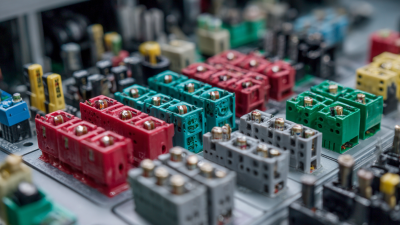
Picking the right electricity connector is a pretty important decision these days, especially with how much more we rely on electronics everywhere. I came across a report from the International Electrotechnical Commission (IEC), and it said that choosing the wrong connector can actually bump up failure rates by around 30%. Crazy, right? It really shows how important it is to understand what specs and requirements you're dealing with.
John Harris from PowerTech Solutions puts it simply: 10 choosing the right connector isn0t just about fitting in; it also affects how safe and efficient everything runs.10 He points out that even tiny mistakes in picking the right one can lead to some pretty big headaches down the line. Different industries have different needs, whether it’s manufacturing, cars, or consumer gadgets. Getting the right connector could mean things last longer and work more reliably.
That said, I get it—there’s a lot to consider, and it can get pretty confusing. Compatibility, how much load it can handle, environmental factors—the list goes on. Sometimes, it’s easy to overlook those little details, but ignoring them can cause unexpected problems later on. So, it’s definitely worth taking some time to get informed and choose wisely for your specific situation.
When choosing an electricity connector, understanding various types is crucial. There are many connectors available, each designed for specific uses. Some are for general household appliances, while others cater to industrial machines. Mismatched connectors can lead to issues, like short circuits or device failures.
Consider the application of the connector. For example, if it's for outdoor use, look for weather-resistant connectors. If the connector will be used frequently, choose one that allows for easy plugging and unplugging. Pay attention to safety ratings too; these indicators are essential for preventing accidents.
**Tips:**
- Familiarize yourself with voltage ratings.
- Always check plug compatibility with sockets.
- Take note of the connector's material. Plastic connectors are lighter, but metal ones offer durability.
It's easy to overlook these details when in a hurry. That can lead to costly mistakes. Choose wisely and think about long-term use. Remember, the right connector makes all the difference.
When choosing an electricity connector, many factors come into play. One critical aspect is the current rating. Connectors can handle different current loads. A simple miscalculation can lead to overheating or even failure. According to industry reports, connectors designed for high currents can manage more heat than standard ones. Selecting the right type is essential.
Environmental conditions also play a significant role. Connectors used outdoors may need to resist moisture and dust. A Neutrik study highlights that connectors with IP ratings are essential in these situations. They provide better protection against adverse conditions. Insulation materials are another area often overlooked. Using the wrong material could yield poor performance in high-temperature applications.
Additionally, consider the ease of installation and maintenance. Some connectors are easier to connect and disconnect than others. A connector that seems easy at first may become a hassle over time. These details must be evaluated carefully. The right connector can create a smoother workflow and more efficient project completion. Always take the time to revisit your choices, even after installation.
When selecting an electricity connector, voltage and current ratings are crucial. These ratings ensure safe and efficient use. If a connector is undervalued, it can overheat. This leads to potential failure. Knowing the requirements of your devices helps in making the right choice.
**Tips:** Always check the specifications of your equipment first. It might seem obvious, but many overlook this step. Look for the connector's maximum voltage and current. Make sure they are higher than what your device uses. Consider your environment too. Heat and moisture can affect performance.
Sometimes, you may find connectors that appear suitable but aren't. Pay attention to the material used. Poor-quality materials can degrade quickly. If you notice a connector getting too warm, reconsider your choice. Regularly inspect connectors for wear and tear. Listen to any unusual sounds. They may indicate underlying issues.
| Connector Type | Voltage Rating (V) | Current Rating (A) | Applications |
|---|---|---|---|
| Molex Connector | 600 | 5 | Computers, Consumer Electronics |
| Anderson Powerpole | 600 | 45 | RC Hobby, Battery Power |
| USB Connector | 5 | 2.5 | Data Transfer, Charging |
| XLR Connector | 120 | 5 | Audio Equipment, Microphones |
| RJ45 Connector | 48 | 1 | Networking, Telecommunications |
When choosing the right electricity connector, understanding the application environment is crucial. Connectors designed for indoor use typically prioritize ease of installation and maintenance. They often feature straightforward designs, suitable for low-stress environments. In contrast, outdoor connectors must withstand harsher conditions, such as moisture and temperature fluctuations. According to industry reports, 65% of electrical failures are due to inadequate outdoor connector choices.
Tips: Always consider environmental factors. Check IP ratings for outdoor connectors. Higher ratings mean better protection against dust and water.
Moreover, outdoor connectors require robust materials like weatherproof plastics or metal housings. This is vital for longevity and reliability. In fact, connectors exposed to extreme conditions may need additional seals or protective covers. This is often overlooked, leading to premature failures.
Tips: Do regular inspections. A worn connector can lead to safety hazards. Replace them before they fail.
Indoor connectors can be less durable but should still be dependable. It’s about balancing cost and quality. While many indoor connectors will suffice for standard applications, situations involving high power loads need a closer examination.
Tips: Always match the connector type to the voltage requirements. Misalignment can lead to energy loss or equipment damage.
When selecting an electricity connector, durability and materials are crucial for longevity. Industry reports highlight that strong materials enhance connector lifespan. Connectors made from high-grade metals resist corrosion. This is pivotal in humid environments. A study found that connectors with gold plating can last 30% longer than those without.
Additionally, the choice of plastic can impact reliability. Connectors should be made with materials that can withstand extreme temperatures. Thermoplastics are often used due to their robustness. According to research, connectors that use fire-retardant plastics reduce risks in hazardous conditions.
Many people overlook the importance of testing under real conditions. A report indicated that improperly rated connectors failed under stress scenarios 20% of the time. It’s essential to evaluate connector specifications thoroughly. Ignoring this can result in unexpected failures. Not all connectors are created equal, and choosing the right one requires careful consideration of these factors.
When choosing the right electricity connector, it's vital to understand industry standards. IEC and NEMA are two prominent certifications. IEC stands for the International Electrotechnical Commission. It provides global standards. NEMA, on the other hand, is specific to North America. It focuses on electrical equipment standards. Each has its unique specifications for connector compatibility.
Tips: Always check the voltage and current ratings of the connectors. Mismatched ratings can lead to failures. Look for connectors with weatherproof ratings if used outdoors. It’s easy to overlook this detail, but moisture can cause significant damage.
Consider other certifications too. UL and CSA are critical for safety. These ensure that products meet specific safety standards. Yet, not all connectors are created equal. Some may appear similar but fail to meet necessary criteria. It's essential to inspect the specifications carefully. A little research goes a long way in preventing costly mistakes later on.
When choosing an electricity connector, cost and performance often clash. Many users face the challenge of balancing their budget with quality. A cheap connector might save money initially, but it could lead to issues later. Imagine the frustration of a short-circuited device due to inferior materials. It’s essential to assess long-term impact versus immediate savings.
Performance matters significantly in connectors. While a higher-priced option often guarantees quality, not all expensive connectors are necessary. Consider your specific usage. Is it for frequent trips or occasional use? Lesser-known brands may offer solid options that meet your needs without breaking the bank. However, don’t overlook user reviews and specifications to guide your choices.
It's easy to prioritize price, especially with tight budgets. Yet, compromising too much might result in lower efficiency and increased replacement costs. Think about how factors like durability, ease of installation, and compatibility play into your decision. Reflect on your choices carefully. The right connector will not only fit your needs but also deliver reliable performance over time.
: Check voltage and current ratings. Mismatched ratings can lead to failures.
They provide guidelines for connector compatibility and safety standards.
Weatherproof ratings protect connectors from moisture damage, particularly for outdoor use.
These certifications ensure products meet specific safety standards for electrical equipment.
A cheap connector may save initial costs but can lead to long-term issues.
Reviews provide insights on performance and reliability, guiding your choices effectively.
Consider durability, ease of installation, and compatibility with your devices.
Yes, some may provide solid options at a reasonable price. Research is crucial.
Ignoring specifications can lead to costly mistakes and safety risks later on.
Choosing the right electricity connector is crucial for the success and safety of your project. The article outlines the various types of electricity connectors available, emphasizing the importance of understanding their specific applications. Key factors such as voltage and current ratings, environmental conditions (indoor versus outdoor), and durability should be carefully evaluated to ensure long-term reliability.
Moreover, the article highlights the significance of comparing industry standards, including IEC and NEMA certifications, to ensure compliance and performance. Balancing cost and quality is also essential; investing in the right electricity connector can lead to better performance and safety, ultimately benefiting your overall project.