0%

When it comes to electrical connections, understanding terminal connectors isn’t just technical jargon — it’s kinda essential, really. I mean, John Smith from ConnectTech Solutions hits the nail on the head when he says, ‘Picking the right terminal connector can totally make or break your project.’ That really drives home how crucial these little components are for keeping everything running smoothly and safely.

Terminal connectors often don’t get the spotlight they deserve, but they’re like the unsung heroes of any electrical system. They hold everything together, literally, and keep things safe. When you’re choosing one, it pays to think about the material, how big it is, and what you’re actually using it for — because a bad choice can lead to failures or, worse, hazards. Studies show that messing up with connectors can end up costing you a lot in the long run. Basically, knowing your stuff here is a huge advantage.

That said, a lot of folks in the industry sometimes overlook these details — maybe thinking all connectors are created equal, which isn’t true at all. This kind of misconception can lead to weak connections and way more headaches down the line, like malfunctions or even safety issues. It’s a good reminder for all of us to pay closer attention and learn from past mistakes. Spending a little more time on choosing the right terminal connectors can seriously boost how well your system works and how long it lasts.

Ultimate Guide to Terminal Connectors Tips You Need to Know?

Understanding Terminal Connectors: Definition and Types

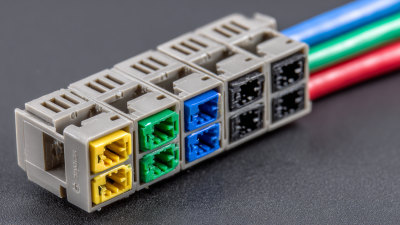
Terminal connectors are critical components in electrical systems. They facilitate reliable electrical connections between various components. Understanding their types is essential for anyone working in electronics.

There are several types of terminal connectors. These include spade connectors, ring connectors, and blade connectors. Spade connectors are popular because they allow easy attachment and detachment. Ring connectors offer a secure connection but can be more challenging to install. Blade connectors are also common, known for their versatility. Each type has its use cases and advantages.

Data shows that the global terminal connector market is expected to grow significantly. A report from Industry Analysts predicts a growth rate of 5.5% from 2021 to 2026. This reflects the increasing demand for reliable connections in industries such as automotive and telecommunications. However, choosing the right connector can be daunting. Poor decisions may lead to electrical failures. Ensure detailed analysis is done before selecting any terminal connector for a project.

Ultimate Guide to Terminal Connectors: Understanding Types and Usage

Materials Used in Terminal Connectors: An Overview

When considering terminal connectors, the materials used play a crucial role in performance. Common materials include copper, aluminum, and certain plastics. Copper is a popular choice for its excellent conductivity. It ensures efficient energy transfer in various applications. Aluminum, while lighter and often less expensive, can have higher resistance. This affects the connector’s overall performance.

Plastic is used for insulation and housing. It protects connectors from environmental factors. However, not all plastics are equal. Some may degrade over time or under certain conditions. For example, high temperatures or exposure to chemicals can weaken them.

Reflecting on material choices is important. Using the wrong material can lead to failures or inefficiencies. Proper research is essential to avoid costly mistakes. Always consider the specific environment and application for terminal connectors. This can make a significant difference in longevity and reliability.

How to Choose the Right Terminal Connector for Your Project

Choosing the right terminal connector can be a daunting task. The sheer variety can confuse even seasoned professionals. According to a report by the International Electrotechnical Commission, improper connector selection can lead to a 20% failure rate in electrical systems. This statistic highlights the importance of making informed choices.

When selecting a terminal connector, consider the wire gauge and application. A mismatch could cause overheating or signal loss. For instance, using a connector rated for lower currents than your application requires may result in inefficient performance. It can be easy to overlook these specifics when making quick decisions, which can lead to costly errors.

Additionally, environmental factors play a crucial role. Exposure to moisture, extreme temperatures, or corrosive substances can impact connector performance. A report by the Institute of Electrical and Electronics Engineers states that connectors in harsh environments can experience a 30% reduction in lifespan. Ensuring your connector is suitable for the operating environment is essential for long-term reliability.

Installation Tips for Terminal Connectors: Tools and Techniques

When installing terminal connectors, having the right tools is crucial. A good wire stripper is essential for preparing your wires. It should cleanly remove insulation without damaging the metal strands. Use a crimping tool specifically designed for the size of your connectors. This ensures a secure connection. Sometimes, people overlook checking the fit. An incorrect size can lead to failures later.

Techniques matter just as much as tools. Clean the connection surfaces to ensure better conductivity. While crimping, apply firm, even pressure. Be aware that over-crimping can break wires or damage connectors. Often, installers rush this step. It’s easy to miss that perfect crimp. If you are unsure, test the connection with a multimeter. This can prevent future issues.

Pay attention to wire direction as well. Misalignment can create a messy layout. This can lead to confusion during troubleshooting. It’s important to step back and assess your work periodically. Sometimes, a fresh perspective helps catch mistakes. Don't be afraid to redo things if necessary. Rushed jobs lead to regrets down the line.

Common Issues with Terminal Connectors and Solutions

Terminal connectors are vital for ensuring stable electrical connections. However, they can face several issues that disrupt performance. One common issue is corrosion. This can occur when connectors are exposed to moisture or chemicals. Corroded connectors lead to poor conductivity. Regular inspection can help identify early signs of corrosion. Applying protective coatings can further enhance durability.

Another issue is incorrect sizing of connectors. Using the wrong gauge can cause overheating or failure. It is important to match the connector size with the wire gauge. Poor crimping techniques can also create weak connections. A loose crimp can lead to intermittent connections. If a connection feels loose, it is time to rethink your crimping method.

Worn-out connectors can also cause problems. Over time, connectors may lose their flexibility and conductivity. Regularly replacing connectors can prevent unexpected failures. Users should also be aware of the environment where connectors are used. Temperature extremes can affect performance. Adapting to these factors can be challenging but is crucial for longevity.

Maintenance of Terminal Connectors: Best Practices

Ultimate Guide to Terminal Connectors Tips You Need to Know?

Maintaining terminal connectors is crucial for ensuring optimal performance in electrical systems. A report from the Electrical Safety Foundation International (ESFI) indicates that improper maintenance can lead to up to 25% of electrical failures. Regular inspections can catch issues before they escalate. Dust and moisture often accumulate in connectors. Keeping them clean ensures a secure connection.

Check for corrosion frequently. Even a slight oxidation can disrupt the conductivity. The National Renewable Energy Laboratory suggests that using appropriate cleaning agents can extend the lifespan of connectors. It's key to note that while some users overlook this, corrosion may not always be visible. A fine layer can silently cause problems.

Proper torque settings are vital too. The American Society of Engineers states that 50% of connection failures stem from poor torque application. Tightening them too little or too much can weaken their integrity. Many overlook this during maintenance, leading to future risks. Testing the connections after maintenance can help identify any immediate issues, improving safety and performance.

Future Trends in Terminal Connector Technology

The future of terminal connector technology is promising yet complex. Advances in materials science will enhance conductivity and durability. Flexible connectors are emerging, allowing for better integration in compact devices. This innovation can lead to smaller designs without sacrificing strength. Devices could become thinner while maintaining performance. However, implementing these new materials will pose challenges.

Smart connectors are also on the horizon. They might incorporate sensors to monitor connections in real-time. This could prevent overheating and failures. However, integrating electronics into connectors raises concerns about reliability. What happens when the technology fails? Is it possible to maintain safety standards while adding more complex features? Users must be vigilant about these potential issues.

Sustainability is another critical factor. Manufacturers are exploring eco-friendly materials. The industry is gradually moving towards using recyclable components. Yet, the transition can be slow. Many products still rely on traditional materials. Finding a balance between innovation and environmental impact is essential. Stakeholders will need to reflect on the best path forward.

FAQS

: What factors are important when selecting a terminal connector?

: Consider wire gauge and application to avoid overheating or signal loss.

How can improper connector selection affect performance?

A mismatch can lead to inefficient performance and increased failure rates.

What environmental factors should be considered?

Moisture, extreme temperatures, and corrosive substances can reduce connector lifespan significantly.

What is the future trend in terminal connector materials?

Advances in materials will improve conductivity and allow for more compact designs.

What are smart connectors?

Smart connectors may use sensors to monitor connections, enhancing safety and performance.

What are the concerns with integrating electronics into connectors?

Reliability of technology may decrease, raising questions about safety in the event of failure.

How is sustainability impacting terminal connector production?

The industry is moving towards using eco-friendly materials, but the transition is slow.

Why is it important to choose connectors for specific environments?

Choosing the right connector helps ensure long-term reliability in varying conditions.

What challenges do manufacturers face with new materials?

Balancing innovation with reliability and performance during implementation can be difficult.

How can quick decisions lead to mistakes in connector choice?

Overlooking specific details may result in costly errors, affecting overall system performance.

Conclusion

The "Ultimate Guide to Terminal Connectors" provides a comprehensive overview for anyone looking to understand and utilize terminal connectors effectively. It begins with a clear definition and various types of terminal connectors, explaining their specific applications in different projects. The article then delves into the materials commonly used, helping readers assess the characteristics of each type and their suitability for particular environments.

Choosing the right terminal connector is crucial for any electrical project, and the guide offers practical tips on how to make this selection based on project requirements. Additionally, it includes essential installation techniques, common issues, and their solutions, ensuring users can troubleshoot effectively. The guide emphasizes the importance of regular maintenance in prolonging the life of terminal connectors while also highlighting emerging trends in connector technology that could shape future applications. This resource serves as an invaluable tool for both beginners and advanced users in the field of electrical connections.

Lucas

Lucas

Lucas is a dedicated marketing professional at Yueqing Xulian Electronics Co., Ltd., a high-tech company known for its comprehensive integration of production, research and development, and manufacturing. With extensive knowledge of the company’s product range, which includes automotive connectors,......
Previous Challenges Facing Global Buyers in Sourcing Quality Car Spares Products