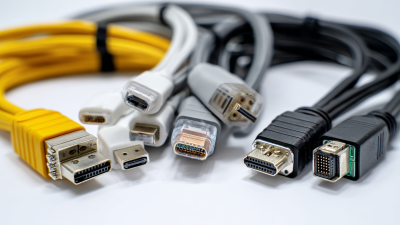
Lately, you've probably noticed that 4-pin connectors are everywhere — and honestly, their importance is only growing in various industries. It’s no surprise, though, especially since the need for reliable and efficient electrical connections keeps getting bigger. I came across this report from Industry Research that says the global market for connectors, including 4-pin types, is expected to hit around 75 billion USD by 2025. That huge number is mainly driven by tech advancements and more and more gadgets relying on electronic components.
Because of this trend, a lot of engineers and designers are now starting to incorporate 4-pin connectors into their projects. They’re super handy — compact, yet capable of handling both power and signals across different kinds of applications, from everyday consumer electronics to heavy-duty industrial equipment. What’s really cool about these connectors is how versatile they are, serving multiple functions while still being compatible with a variety of systems and keeping high standards of performance. When you look at the top uses for 4-pin connectors, it’s pretty clear they’re not just important now but will also play a key role in tech innovations down the road, across a bunch of different sectors.

Understanding 4 Pin Connectors: A Comprehensive Overview
4 pin connectors are vital components in various electronic projects, significantly enhancing versatility and reliability. These connectors are widely used in power distribution, ensuring a stable and secure connection. According to a report from the International Electrotechnical Commission (IEC), the demand for standardized connectors, like the 4 pin type, is steadily increasing, particularly in automotive applications, where the need for reliable electrical connections is paramount. This trend is driven by the rise of electric vehicles, which rely heavily on efficient wiring solutions.
The characteristics of 4 pin connectors make them suitable for multiple applications beyond automotive use. They often support different configurations such as power and signal transmission, which is critical in audio equipment and computer peripherals. The flexibility of these connectors allows them to handle varying current loads, making them an ideal choice for projects requiring modular connections. A survey by the Institute of Electrical and Electronics Engineers (IEEE) indicated that industries utilizing 4 pin connectors report a 30% decrease in installation time due to their intuitive design and ease of use. These factors underscore the importance of understanding and implementing 4 pin connectors effectively in project designs.
Key Features and Specifications of 4 Pin Connectors
4 pin connectors are essential components in various electronic applications, known for their versatility and reliability. These connectors typically feature four distinct pins, allowing for multiple functionalities such as power supply and signal transmission in a compact format. Their design often includes a locking mechanism that ensures a secure connection, preventing disconnections due to vibrations or movements in various projects, be it in automotive, robotics, or consumer electronics.
The specifications of 4 pin connectors can vary significantly depending on the application. They are available in different sizes, pin arrangements, and materials, which can affect their performance and durability. Most 4 pin connectors are rated for a specific current and voltage, making them suitable for a range of electrical components. Additionally, they may be designed for different environmental conditions, including temperature variations, moisture resistance, and physical stress. When selecting a 4 pin connector for a project, it is crucial to consider these features to ensure compatibility and reliability in the intended application.
Common Applications of 4 Pin Connectors in Electronics
4 Pin connectors are essential components in the electronics industry, serving various applications crucial for numerous devices. One common use is in power distribution for LED lighting systems, where these connectors facilitate easy and reliable connections, allowing for seamless customization of lighting setups. According to a report by MarketsandMarkets, the global LED market is expected to reach $154.74 billion by 2023, highlighting the growing reliance on efficient power connectors in this sector.
Another key application of 4 Pin connectors is in the realm of computer hardware, where they are frequently used for connecting power to fans and other peripherals. In data centers, where efficient cooling and airflow management are critical, 4 Pin connectors ensure that fans are powered effectively, thus maintaining optimal operating temperatures. Industry analysis shows that data center power management systems are projected to grow as businesses increasingly prioritize energy efficiency and reliable operational performance.
Tips: When working with 4 Pin connectors, ensure that they are rated for the appropriate voltage and current to prevent overheating and electrical failures. Additionally, maintaining good contact points by regularly inspecting and cleaning the connectors can prolong their lifespan and improve performance in high-use environments.
Wiring Configuration and Pin Assignment for 4 Pin Connectors
When working with 4 pin connectors, understanding their wiring configuration and pin assignment is crucial for successful project implementation. Typically, 4 pin connectors feature a standard layout that includes a specific arrangement of the pins to facilitate various connections. The most common configuration involves a combination of power and ground connections, alongside two additional pins used for data transmission or signal control. This versatile design makes 4 pin connectors beneficial for a wide range of applications, from powering fans in computer machines to enabling LED lighting setups.
In terms of pin assignment, the arrangement can vary slightly depending on the specific use case, but the general guideline persists. For example, in a typical power connector setup, one pin is dedicated to the positive voltage supply, while another connects to the ground. The remaining two pins could serve different purposes, such as data transmission or pulse-width modulation (PWM) signals. It’s essential to refer to the specific documentation of 4 pin connectors used in your project to determine the exact pinout details. Proper identification and accurate wiring not only enhance the reliability of electrical connections but also mitigate the risk of damaging components due to incorrect wiring configurations.
Top 10 Uses of 4 Pin Connectors You Need to Know for Your Projects
| Use Case |
Description |
Wiring Configuration |
Pin Assignment |
| Power Supply |
Connecting power sources to devices. |
+V, GND, Vcc, GND |
Pin 1: +V
Pin 2: GND
Pin 3: Vcc
Pin 4: GND |
| LED Strips |
Powering RGB LED strips for lighting. |
R, G, B, GND |
Pin 1: Red
Pin 2: Green
Pin 3: Blue
Pin 4: GND |
| Cooling Fans |
Connecting fans to a PC or a device. |
+V, GND, RPM, PWM |
Pin 1: +V
Pin 2: GND
Pin 3: RPM
Pin 4: PWM |
| Audio Devices |
Connecting audio input and output devices. |
L, R, GND, Vcc |
Pin 1: Left Audio
Pin 2: Right Audio
Pin 3: GND
Pin 4: Vcc |
| Robotics |
Connecting sensors and actuators in robots. |
Signal, Vcc, GND, PWM |
Pin 1: Signal
Pin 2: Vcc
Pin 3: GND
Pin 4: PWM |
| Microcontrollers |
Connecting to development boards. |
TX, RX, Vcc, GND |
Pin 1: TX
Pin 2: RX
Pin 3: Vcc
Pin 4: GND |
| Photography Equipment |
Connecting external flashes and batteries. |
+V, GND, Trigger, Sync |
Pin 1: +V
Pin 2: GND
Pin 3: Trigger
Pin 4: Sync |
| Home Automation |
Connecting various home automation devices. |
Power, Data, GND, Control |
Pin 1: Power
Pin 2: Data
Pin 3: GND
Pin 4: Control |
| Test Equipment |
Interconnecting test equipment and measurement devices. |
Signal, GND, Power, Control |
Pin 1: Signal
Pin 2: GND
Pin 3: Power
Pin 4: Control |
Advantages of Using 4 Pin Connectors in Projects
4 Pin connectors are increasingly popular in various projects across industries due to their numerous advantages. One of the primary benefits is their compact design, which allows for easy integration into tight spaces without compromising efficiency. According to industry reports, 4 Pin connectors enhance electrical connectivity with minimal signal loss—an essential factor in maintaining performance in electronic applications. These connectors can handle high voltage and current ratings, making them suitable for power supply configurations in automotive, aerospace, and consumer electronics.
Using 4 Pin connectors increases the versatility of projects. They can be easily adapted for a variety of uses, from simple LED lighting systems to more complex robotic controls. The durability of these connectors often means they can withstand harsh environmental conditions, thus extending the lifespan of electronic devices. Research indicates that projects utilizing high-quality connectors like these experience a significant reduction in failure rates, with some studies showing up to a 30% decrease in downtime due to connection issues.
**Tips**: When incorporating 4 Pin connectors into your project, ensure proper soldering techniques are employed to avoid signal degradation. Additionally, always consider the gauge of wires used, as this can impact the efficiency and safety of your connections. Lastly, regularly inspect connectors for wear and corrosion to maintain optimal performance.
Best Practices for Selecting and Installing 4 Pin Connectors
When selecting 4 pin connectors for your projects, it's essential to consider several best practices to ensure optimal performance and reliability. Firstly, assess the specific requirements of your application, such as the current and voltage ratings. Ensure that the connectors can handle your project's demands to prevent overheating or failure. Additionally, evaluate the environmental conditions where the connectors will be used. Choose connectors rated for moisture, dust, and other factors to enhance durability and longevity in diverse settings.
Installation is another crucial step in the process. A proper installation technique can significantly reduce the risk of connectivity issues over time. Start by ensuring that all wires are stripped to the correct length and that there’s no excess insulation that could interfere with the connection. It’s also advisable to use heat shrink tubing or other protective covers to shield the connections. When connecting, make sure that pins align correctly and are securely seated to avoid intermittent issues. Finally, always perform a test of the connection after installation to verify that everything functions as intended before putting the project into full operation.
Troubleshooting Tips for 4 Pin Connector Issues
When dealing with 4 pin connectors, troubleshooting common issues can save time and enhance project efficiency. One of the first things to check is the integrity of the connections. Loose or corroded pins can lead to intermittent electrical contact, causing devices to malfunction. Ensuring that the pins are tightly connected and free from rust or debris is crucial. If a connection appears loose, consider using a contact cleaner to restore a solid connection, or replace the connector entirely if damage is evident.
Another common problem arises from improper pin alignment. When plugging in a 4 pin connector, make sure that each pin aligns perfectly with its counterpart. Misalignment can cause damage to both the connector and the device it connects to. If frequent misalignments occur, evaluate the connector design or installation setup for potential improvements. Furthermore, periodically testing connections with a multimeter can help identify issues like poor continuity or unexpected resistance, allowing for proactive maintenance before failures occur. By taking these troubleshooting steps, you can ensure the reliable operation of your projects utilizing 4 pin connectors.
The Future of Connectivity: Analyzing the JST 2.0mm Series Automotive Connector in Light of the Global Automotive Connector Market Growth
The automotive sector is undergoing a rapid transformation, fueled by the increasing demand for connectivity solutions. As vehicles become more sophisticated, the need for reliable and efficient connectors is paramount. The JST 2.0mm Series Automotive Connector stands out in this evolving landscape, offering enhanced performance and compact designs that cater to the requirements of modern automotive applications.
Our commitment to quality is reflected in our rigorous testing protocols. Utilizing a comprehensive array of testing instruments, we ensure that every connector meets the highest standards before reaching the market. With a professional technical team boasting ISO 9001 and IATF16949 certifications, we adhere to stringent management systems that guarantee excellence in both products and services. Coupled with our swift delivery and effective after-sale support, we aim to provide solutions that align seamlessly with the fast-paced demands of the automotive industry.
As the market for automotive connectors continues to expand, the practical applications of the Connector Motorcycle Micro JST T exemplify our dedication to innovation. This product not only meets the connectivity needs of motorcycles but also contributes to the overall growth of the automotive connector market by integrating cutting-edge technology to enhance vehicle communication and control systems. Embracing these advancements will be key to thriving in an increasingly interconnected automotive world.
FAQS
: 4 pin connectors are used in various electronic applications including power distribution for LED lighting systems, connecting power to computer hardware such as fans, and in automotive applications for reliable electrical connections.
The demand is increasing due to their versatility and reliability, particularly driven by the rise of electric vehicles and the need for efficient wiring solutions in various industries.
Industries using 4 pin connectors report a 30% decrease in installation time due to their intuitive design and ease of use.
Yes, the flexibility of 4 pin connectors allows them to handle different current loads, making them suitable for projects that require modular connections.
They facilitate easy and reliable connections, allowing for seamless customization of lighting setups.
Yes, they are essential for connecting power to cooling fans, ensuring efficient airflow management and maintaining optimal operating temperatures.
It is important to ensure that they are rated for the appropriate voltage and current to prevent overheating and electrical failures.
Regularly inspecting and cleaning the connectors can maintain good contact points and improve performance, especially in high-use environments.
Conclusion
The article "Top 10 Uses of 4 Pin Connectors You Need to Know for Your Projects" provides an in-depth exploration of 4 Pin Connectors, highlighting their significance in various electronic applications. It offers a comprehensive overview of their features and specifications, along with common uses across different devices. The article discusses the wiring configuration and pin assignments essential for effective connection, emphasizing the advantages these connectors bring to projects, such as reliability and ease of installation.
Additionally, best practices for selecting and installing 4 Pin Connectors are outlined, ensuring users can maximize their effectiveness in projects. Troubleshooting tips for common issues associated with 4 Pin Connectors are also included, helping users maintain optimal performance in their electronic setups. Overall, this article serves as a crucial guide for anyone working with 4 Pin Connectors, ensuring the successful implementation of these versatile components in various projects.