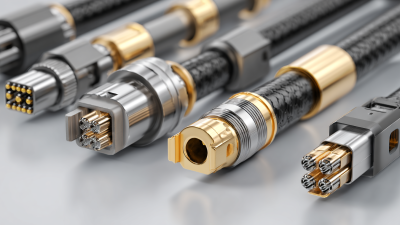
In the fast-changing world of electronics, electrical connectors really are kind of a big deal. I recently came across a report by Fortune Business Insights, and it says that the global market for connectors is gonna hit around $96.4 billion by 2026 — pretty impressive, right? This growth is mainly driven by the rising demand for high-performance systems. But honestly, connectors aren’t just some boring, tiny parts; they’re crucial for making sure everything works reliably, whether it’s your favorite gadget or heavy-duty industrial equipment.
Companies like TE Connectivity and Molex are still pushing the envelope, coming up with new innovations to make connectors more efficient and dependable. That said, there are still some tricky hurdles to jump, like making sure parts are compatible, dealing with environmental issues, and meeting strict manufacturing standards. Recognizing these challenges is super important for any company that wants to stay competitive in this fast-moving market.
As we look ahead to the top electrical connectors to watch in 2026, it’s not just about new tech—it's also about understanding how these connectors actually perform in real-world situations. The industry is changing, and those who want to stay relevant will need to keep adapting and innovating in this vital area.
Electrical connectors play a crucial role in various sectors. They ensure reliable electrical connections. These components are vital in automotive, telecommunications, and consumer electronics. According to a report by Fortune Business Insights, the global electrical connectors market is projected to reach $85.31 billion by 2026. This highlights their importance in modern technology.
In automotive applications, connectors handle high currents and harsh environments. They contribute to vehicle safety and efficiency. For instance, connectors in electric vehicles must endure vibrations and temperature fluctuations. Selecting the right connector type can significantly impact performance.
Tip: Always assess the environment in which a connector will be used. Temperature and moisture levels matter.
Manufacturers often overlook the need for specialized connectors. Many use standard options, which can lead to failures. Choosing durable and suitable connectors can prevent costly repairs. Industry experts recommend investing in quality over quantity. This choice drives long-term reliability.
Tip: Consult with an engineer before making a connector selection. Professional insight can save time and resources.
Electrical connectors play a vital role in various industries. They ensure reliable connections between electrical circuits. Numerous types are available, each suited for specific applications. According to a recent industry report, the electrical connector market is projected to reach $XX billion by 2026. This growth underscores their importance in modern technology.
There are several key types of electrical connectors. Among them, wire-to-wire connectors are widely used in automotive and aerospace applications. These connectors offer flexibility and ease of installation. Another type, wire-to-board connectors, finds common ground in consumer electronics. They provide secure connections between wires and printed circuit boards. Each type has its own set of advantages and limitations. For instance, while connectors may be easy to use, they often require careful handling to avoid damage.
Some connectors face challenges regarding heat resistance and environmental conditions. High temperatures can deteriorate connections and compromise functionality. Moreover, improper installation can lead to failures. Reports indicate that nearly 10% of connector failures are due to human error during installation. This highlights the need for thorough training and awareness in connector applications. Understanding these nuances can help in choosing the right type for your needs.
When selecting electrical connectors, several key features deserve careful consideration. Material composition is vital. Connectors made from durable metals can withstand harsh environments. Look for corrosion-resistant options to ensure longevity. Remember, poor material choices can lead to failures over time.
Another important aspect is the connector's current and voltage rating. Misjudging electrical requirements can cause overheating and hazards. It’s essential to match connectors with the system's specifications. Furthermore, the size and design of connectors matter significantly. A poor fit can cause signal loss or connectivity issues.
Compatibility should not be overlooked. Ensure the chosen connectors work seamlessly with existing systems. It’s easy to assume all connectors will fit. This assumption may lead to costly mistakes. In addition, consider environmental factors. Connectors in extreme temperatures may require special features for reliable performance. Don't forget the importance of user-friendly designs for installation ease.
The landscape of electrical connectors is evolving rapidly. A recent industry report projects that the global market for electrical connectors will reach $100 billion by 2026. This significant growth reflects the rising demand in sectors like automotive, aerospace, and renewable energy.
Top manufacturers are focusing on miniaturization, high performance, and reliability. These connectors now feature advanced materials and innovative designs. According to data from a leading market analysis firm, the demand for high-speed connectors is increasing by 15% annually. This trend challenges manufacturers to enhance production capabilities while managing costs effectively.
However, the industry faces challenges. Supply chain issues have resulted in delays and increased prices. Many manufacturers struggle with sourcing quality materials. A lack of skilled labor further complicates production processes. As the market grows, companies must adapt and innovate to overcome these obstacles while maintaining product quality and performance.
| Connector Type | Application | Material | Rating (V) | Current Rating (A) | Temperature Range (°C) |
|---|---|---|---|---|---|
| Connector A | Industrial Machinery | Brass | 600 | 20 | -40 to 125 |
| Connector B | Consumer Electronics | Plastic | 240 | 10 | -20 to 85 |
| Connector C | Automotive | Aluminum | 480 | 30 | -40 to 150 |
| Connector D | Aerospace | Titanium | 1000 | 15 | -55 to 200 |
The landscape of electrical connector technology is rapidly evolving. In 2026, we can expect remarkable advancements that improve performance and reliability. High-speed connectors are crucial for data-intensive applications. They support faster data transfer rates and enhance overall system efficiency. These connectors reduce signal loss and offer superior thermal performance.
The focus on sustainability is another key trend. Many manufacturers are developing connectors made from eco-friendly materials. These innovations aim to reduce environmental impact without compromising functionality. Furthermore, advancements in miniaturization are leading to smaller, more compact designs. These connectors fit perfectly into tight spaces, which is particularly useful in modern electronic devices.
However, these innovations also bring challenges. The complexity of new designs can lead to potential compatibility issues. Some manufacturers may struggle to keep up with evolving standards. Moreover, as connectors become more sophisticated, testing and certification processes may lag behind. This could affect product reliability and safety. The industry must address these gaps to fully realize the benefits of emerging technologies.
Electrical connectors are crucial components in various applications. Safety standards regulate their design and use. These regulations ensure connectors can handle voltage and current effectively. It’s vital to stay updated on these standards. New regulations can significantly impact connector usage, especially in industrial settings.
Tips: Ensure that your connectors meet safety requirements. Regular inspections are essential. Look out for wear and tear.
The importance of safety cannot be overstated. Connectors must withstand extreme conditions. Some environments involve humidity, heat, or dust. If connectors fail, they can cause serious hazards. Analyze the materials used in connectors. Choosing the wrong material can lead to failures.
Tips: Always verify the connector’s ratings. They should match your application needs. Don't skip this crucial step. It could save lives.
As we look to the future of electrical connectivity, several trends are emerging. The demand for smaller, more efficient connectors is rising. Devices are shrinking in size, yet their connectivity needs are growing. Flexibility in design will become crucial. Innovations are addressing this challenge by creating connectors that save space and enhance performance.
Tips: Consider modular designs that allow for easy upgrades. They can adapt to new technologies without complete replacements.
Another trend is the move towards sustainable materials. Eco-friendly connectors are not just a niche anymore. Many manufacturers are prioritizing the use of recyclable or biodegradable materials. This shift may pose challenges in terms of quality and durability. Manufacturers need to balance sustainability with performance.
Tips: Stay informed about emerging materials. Your choices today can impact future innovations.
Moreover, wireless connectivity continues to evolve. Although traditional connectors are reliable, the convenience of wireless solutions is attractive. Yet, some issues remain, such as latency and signal interference. These are areas where progress is needed to fully embrace wireless technology in critical applications.
Tips: Evaluate the specific needs of your application before choosing wireless. It's not always the best solution.
When considering how to enhance your life through the selection of high-quality products, it's essential to focus on the attributes that truly matter. According to industry reports, more than 70% of consumers prioritize product reliability and quality over cost when making purchasing decisions. Therefore, opting for products from manufacturers that utilize a diverse range of testing instruments can significantly improve your satisfaction and overall experience.
A professional technical team equipped with certifications like ISO 9001 and IATF16949 is crucial in ensuring that the products meet industry standards. These certifications indicate that the company adheres to rigorous quality management practices, with a focus on continual improvement and customer satisfaction. In fact, research shows that organizations that implement quality management systems see a 20% reduction in operational costs and a 30% increase in customer loyalty.
Additionally, the significance of fast delivery times and reliable after-sale service cannot be overlooked. Studies reveal that 60% of customers consider prompt service as a primary factor in their purchasing decision. When you invest in products that come with solid support services, you not only ensure the longevity of your purchase but also enhance your quality of life. Choosing wisely can lead to a seamless experience that exceeds your expectations.
: The product helps users improve their daily routines. It can enhance productivity and well-being.
Anyone looking to optimize their time may find it useful. Students and professionals are prime candidates.
Yes, it features a user-friendly interface. Many users appreciate its simplicity and straightforward design.
It offers reminders and planning tools. These features aim to keep users organized and focused.
Yes, users can monitor their daily achievements. Tracking can motivate users to stay committed.
Some users mention it can be distracting at times. Balancing usage is key for effectiveness.
Daily use is recommended for the best results. Consistency supports habit formation and long-term benefit.
Results vary by individual. It’s important to stay patient and adjust your approach as needed.
The article "2026 Top Electrical Connectors You Need to Know About" provides an in-depth look at the critical role electrical connectors play in various applications across industries. It highlights the significance of selecting the right connector type based on a comprehensive breakdown of available options. Readers are guided through key features to consider, ensuring optimal performance in their applications.
Additionally, the article reviews top manufacturers and explores the latest innovations in electrical connector technology, emphasizing safety standards and regulations that influence choices in this field. As we look towards the future, the piece discusses emerging trends in electrical connectivity, setting the stage for advancements that will shape the industry in 2026 and beyond.