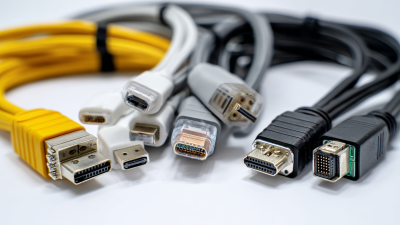
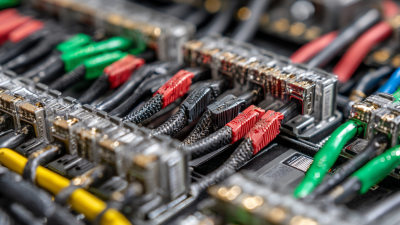
In the world of tech, knowing your connector cables is kinda essential. Mark Thompson, a top expert at Global Connect Solutions, puts it pretty plainly: "Picking the right connector cable can actually make or break an entire project." That just goes to show how important it is to get a handle on the different types out there.
Connector cables are what link devices together, making communication and data transfer possible. There’s a whole bunch of them—USBs for quick and easy data sharing, Ethernet cables for internet connections, and so on. Honestly, all those options can get a bit overwhelming. That’s why it’s so important for buyers to be in the know so they can pick the right stuff.
With tech advancing so fast these days, the need for reliable connector cables is only growing. Making an informed choice upfront can save you loads of trouble down the line—like connection issues or performance hiccups. Honestly, choosing the right cable can sometimes feel like trying to find your way through a maze. But chatting with experts and digging into the specs can really help clear things up. In the end, having some good knowledge is key, especially for global buyers navigating this crazy connector cable market.

Understanding Connector Cables: An Overview of Their Importance
Connector cables play a crucial role in modern technology. They enable communication between devices, ensuring seamless data transfer. Different types of connector cables exist, each tailored for specific applications. Understanding these cables is vital for anyone involved in buying or using electronic equipment.
Selecting the right connector cable can impact performance. For example, a wrong choice can lead to data loss or increased latency. Many buyers overlook the specifications that differentiate one cable from another. It's not just about fitting; it’s about functionality. Incomplete knowledge can result in compatibility issues down the line.
Furthermore, the market is filled with various options. Some cables may appear similar but offer varied performance based on construction and materials. Buyers need to consider factors like durability and flexibility. Misunderstanding these elements can lead to costly mistakes and project delays. An informed choice can enhance overall efficiency and device longevity.
Types of Connector Cables: A Comprehensive Guide
Connector cables are essential in our daily lives. These cables enable communication between devices. Understanding the different types helps in choosing the right one for specific needs.
Common types include HDMI, USB, and Ethernet cables. HDMI is widely used for video and audio transmission. It supports high-definition resolutions and multiple audio channels. USB cables come in several varieties, including Type-A and Type-C. They facilitate data transfer and device charging. Ethernet cables are crucial for networking. They connect computers to the internet, ensuring stable connections.
It's easy to overlook the importance of cable quality. Using low-quality connectors can lead to signal degradation. Users may experience slower data transfers. Testing various cables can reveal differences in performance. Taking time to compare options pays off. Choosing the right connector is not merely a technical decision; it affects overall efficiency and user experience.
USB Connector Cables: Versatility and Applications
USB connector cables are highly versatile, making them essential for personal and professional use. They enable connections between various devices, such as computers, smartphones, and printers. Many different USB types exist, including USB-A, USB-B, and USB-C, each serving unique purposes. USB-C has gained popularity due to its reversible design and faster data transfer rates. This makes it ideal for charging devices quickly and efficiently.
In terms of applications, USB cables are used across multiple industries. For charging gadgets, data transfer, and connecting peripherals, their reliability is crucial. It is important to choose the right type for your devices to avoid compatibility issues. Some users may find themselves frustrated when trying to connect devices, especially when they use the wrong cable type. It is always wise to double-check compatibility before making a connection.
Despite their popularity, there are areas for improvement. Some users may encounter wear and tear with frequent use, leading to performance issues. It is essential to invest in quality cables to ensure longevity. Observing how cables handle daily use can reveal insights into how often they need replacing. Being aware of these factors can help buyers make informed choices.
Top 10 Connector Cable Types for Global Buyers to Know
| Cable Type |
Connector Type |
Data Transfer Speed |
Common Applications |
Notes |
| USB Type-C |
USB-C |
Up to 10 Gbps |
Smartphones, Laptops, Tablets |
Reversible design, supports fast charging |
| USB 3.0 |
USB-A |
Up to 5 Gbps |
External Hard Drives, Printers |
Backward compatible with USB 2.0 |
| HDMI |
HDMI Type A |
Up to 48 Gbps |
TVs, Monitors, Projectors |
Transmits audio and video |
| Lightning |
Lightning Connector |
Up to 480 Mbps |
iPhones, iPads |
Exclusive to Apple devices |
| DisplayPort |
DisplayPort Connector |
Up to 32.4 Gbps |
Monitors, VR systems |
Supports multiple displays |
| RJ45 |
Ethernet Connector |
Up to 10 Gbps |
Networking devices |
Used for wired internet connections |
| VGA |
VGA Connector |
Analog Signal |
Older Monitors, Projectors |
Gradually being replaced by digital interfaces |
| DVI |
DVI Connector |
Up to 9.9 Gbps |
Monitors, Projectors |
Supports both digital and analog signals |
| Mini DisplayPort |
Mini DisplayPort Connector |
Up to 32.4 Gbps |
High-end Displays, Laptops |
Commonly used with Mac devices |
| 3.5mm Audio |
3.5mm Jack |
N/A |
Headphones, Speakers |
Standard for audio jack connectivity |
HDMI Connector Cables: Enhancing Audio and Video Experience
HDMI connector cables have significantly transformed our audio and video experiences. They provide high-quality digital signals that enhance clarity and detail. Many users appreciate the simplicity of a single cable for both audio and video. This streamlined approach minimizes cable clutter, making setups more efficient and aesthetically pleasing.
The versatility of HDMI cables is noteworthy. They support various resolutions, including 4K and even 8K in some cases, appealing to both casual viewers and audiophiles. However, users sometimes overlook the importance of the cable quality. Cheaper options may lead to signal degradation, which can affect overall performance, creating a blurry picture or distorted audio.
When purchasing HDMI cables, it's essential to consider compatibility with devices. Not all HDMI cables are created equal, and not every device supports the latest standards. This confusion can sometimes result in frustrating user experiences. Individuals may find themselves needing to upgrade cables or devices sooner than expected. Understanding your setup can lead to a much smoother viewing experience, allowing users to enjoy high-quality video without interruptions.
Ethernet Connector Cables: Networking Solutions Explained
Ethernet connector cables play a crucial role in today’s networking landscape. They facilitate high-speed communication between various devices. These cables come in different categories, such as Cat5e, Cat6, and Cat7. Each category offers varying levels of speed and performance. Understanding these nuances can help you make informed decisions for your networking needs.
In many setups, choosing the right Ethernet cable is essential. For instance, Cat6 cables can support up to 10 Gbps speeds over short distances. However, they may not be the best choice for longer runs. This limitation often leads to confusion among users. The wrong selection can cause connectivity issues and reduce overall performance.
It’s also important to consider the environment where these cables will be used. Installing cables in high-interference areas might require special shielding. Awareness of these factors allows for better reliability. Networking solutions should be tailored to individual needs. It's worthwhile to reflect on past choices and learn from mistakes. This will lead to improved setups and more efficient networking practices.
DisplayPort vs. HDMI: Key Differences and Use Cases
DisplayPort and HDMI are two popular video and audio interfaces, each with unique features. DisplayPort offers higher bandwidth, supporting resolutions up to 8K at 60Hz. In contrast, HDMI is commonly used in consumer electronics, with a maximum of 4K at 60Hz for standard versions. This difference matters significantly for industries requiring high-resolution displays, such as gaming and video editing.
According to a 2022 industry report, over 80% of professional-grade displays utilize DisplayPort connections. This is primarily due to its multi-stream transport capabilities. Users can connect multiple monitors without losing video quality. On the other hand, HDMI remains the preferred choice for televisions and home theater systems, accounting for 70% of the market share in consumer devices. It supports consumer electronics' features like ARC (Audio Return Channel) and CEC (Consumer Electronics Control).
Both technologies have their limitations. Some DisplayPort versions lack backward compatibility with older HDMI devices. Meanwhile, HDMI's bandwidth can limit performance in high-demand scenarios. Understanding these nuances is crucial for buyers. Making informed decisions depends on recognizing the target applications for each cable type.
Power Connector Cables: Ensuring Efficient Energy Transfer
Power connector cables play a vital role in ensuring efficient energy transfer across various applications. These cables are designed to carry electricity safely. Proper selection of cables can significantly impact performance and safety.
When choosing a power connector cable, consider the voltage and current levels required. Different cables have varying capacities. Using the wrong type can lead to overheating or power loss. Connectors must match the equipment. Mismatched connectors can result in inadequate performance.
Quality is essential in power connector cables. Low-quality cables might save money initially but can lead to failures. Always examine material and construction closely. Look for certifications that assure quality. This careful selection process impacts reliability. Investing in good cables contributes to system efficiency and longevity.
Specialty Connector Cables: Niche Applications and Benefits
In today's tech landscape, specialty connector cables are essential for niche applications. These cables cater to specific needs within industries such as aerospace, medical, and automotive. A recent report by Allied Market Research indicates that the global specialty cable market is projected to reach $15.2 billion by 2026, reflecting a growing demand.
One critical area for these cables is data transmission in medical devices. For example, high-frequency coaxial cables ensure reliable signal transfer for imaging equipment. The healthcare sector requires precision and reliability, which specialty cables provide. Many manufacturers struggle with incorporating these cables due to cost and compatibility issues, leading to delays.
Another vital application is in the automotive industry, particularly for electric vehicles (EVs). Specialty connector cables designed for high voltages are crucial for battery management systems. With the EV market set to expand significantly, it's important for manufacturers to adapt quickly. However, many face challenges regarding the integration of these specialized solutions into existing infrastructures. Balancing innovation and cost-effectiveness remains a pressing concern for many in this sector.
Top 10 Connector Cable Types for Global Buyers
Enhancing Connectivity and Reliability: The Impact of SCHUTZKAPPE F4+7P Cable Accessories on Industry Performance Metrics
In today’s fast-paced industrial environment, enhancing connectivity and reliability is crucial for improving performance metrics. The SCHUTZKAPPE F4+7P cable accessories stand out as a robust solution for industries seeking to optimize their operational efficiency. These accessories are designed with the latest technological advancements, ensuring compatibility and superior performance across various applications.
The strength of these products lies not only in their advanced design but also in the rigorous testing protocols employed during their development. Utilizing a wide array of testing instruments, manufacturers are able to guarantee the quality and reliability of their cable accessories, which are essential for minimizing downtime and enhancing productivity. The professional technical team behind these products is certified under the ISO 9001 and IATF16949 management systems, indicative of a commitment to excellence and continuous improvement in quality management practices.
In addition to performance advantages, fast delivery times and commendable after-sale service ensure that users can rely on their purchases, contributing to seamless operational processes. The Round DIN flip connector tail cover is an exceptional product in this lineup, designed to provide secure connections while maintaining flexibility and ease of use in varied industrial applications. Investing in high-quality cable accessories like the SCHUTZKAPPE F4+7P series can lead to significant improvements in operational efficiency and reliability across industries.
FAQS
: Connector cables enable communication between devices, ensuring smooth data transfer.
The right choice impacts performance and can prevent data loss or latency issues.
A wrong selection can lead to compatibility issues and costly delays.
HDMI cables differ in quality; cheaper options may degrade signal clarity and sound.
Make sure to check your device's specifications to avoid frustrating experiences.
Common categories include Cat5e, Cat6, and Cat7, each with different speeds.
Longer distances can affect the performance of cables, leading to connectivity issues.
Yes, high-interference areas may require specialized shielding for better reliability.
Reflecting on past mistakes can guide you toward better cable selections and improvements.
Buyers often miss details like durability and flexibility, which are essential for performance.
Conclusion
Connector cables play a crucial role in modern technology, serving as the backbone of connectivity for various devices and systems. An understanding of different connector cable types is essential for buyers looking to optimize their technology setups. From USB cables, known for their versatility in powering and transferring data, to HDMI cables that enhance audio and video experiences, each type serves unique functions.
Ethernet connector cables provide reliable networking solutions, while discussions around DisplayPort versus HDMI highlight their key differences and specific use cases. Additionally, power connector cables ensure efficient energy transfer, and specialty connector cables cater to niche applications with specific benefits. Familiarity with these connector cable types not only aids in making informed purchasing decisions but also enhances the functionality of electronic devices in a global marketplace.