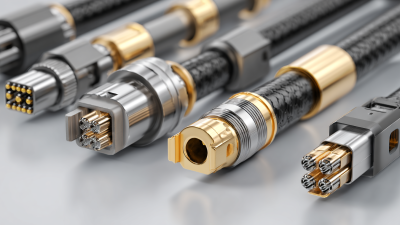
You know, when it comes to electronics, the Molex Connector is kind of a big deal—even if it's just a tiny component. It might be small, but it plays a crucial role in lots of devices, from your computer to household appliances. Jim Thompson, who knows his stuff at Molex LLC, mentioned that "Molex Connectors are basically the backbone of modern connectivity." That really hits home, showing how important these little connectors are in keeping everything running smoothly.
These connectors come in all sorts of shapes and sizes, and they're pretty good at handling both power and data transfer. Funny thing is, most folks don’t really think about how vital they are in our daily tech life. When you’re choosing a connector, it’s important to pick the right one—make the wrong choice, and you could end up with device issues or stuff just not working as it should.
Getting a handle on how a Molex Connector actually works can really save you headaches down the line. It’s all about making sure it’s compatible with your devices. Once you know what to look for, you can make the most of what these connectors can do. Honestly, each connection is like a tiny story about the technology we depend on every day—yet, it’s so easy to overlook how critical they really are in the big picture of electronics.

What is a Molex Connector?
A Molex connector is a type of electrical connector commonly used in various electronic devices. It is characterized by its rectangular shape and multiple pins that allow for secure and reliable connections. These connectors are often found in computer power supplies, hard drives, and other hardware components. Their design makes them versatile for different applications.
Molex connectors typically feature one or more rows of pins. These pins plug into corresponding sockets, creating a stable connection. The design minimizes the risk of incorrect connections, which can be frustrating during installation. However, users sometimes overlook the importance of matching pin configurations. In some cases, attempts to force a connection can damage the pins or the sockets.
Installing a Molex connector is not always straightforward. It's essential to line up the pins correctly before pushing them together. Many people hesitate and struggle with alignment, leading to unnecessary delays. Understanding the proper installation process can save time and frustration. Over time, users may realize that familiarity with the connector enhances their overall experience. Proper handling reduces the chances of damaging the connectors and ensures longer use.
History and Evolution of Molex Connectors
The history of Molex connectors dates back to the 1930s. These connectors became crucial in electronics and electrical applications. Their design aimed to simplify connections while enhancing reliability. Over the decades, the technology around them evolved significantly. Industry reports indicate that the global connector market is projected to reach $90 billion by 2025. This growth highlights the importance of connectors like Molex in modern applications.
In the 1950s, engineers began using Molex connectors extensively in consumer electronics. Their adaptable nature allowed various configurations to emerge. According to recent statistics, about 30% of connectors used in aerospace applications are types similar to Molex. Despite their success, some challenges remain. For instance, compatibility issues can arise when integrating new technologies. The evolution of Molex connectors continues as demands change, often requiring manufacturers to rethink their designs.
Today, connectivity needs continue to diversify. The rise of automation and IoT devices pressures connector manufacturers. Yet, the basics of Molex connectors remain relevant. Their ability to support power and data transfer efficiently is still sought after. While they are widely used, they must constantly adapt. As new materials and technologies emerge, the industry faces hurdles that can complicate the straightforward design ethos Molex was built upon.
Molex Connectors: Historical and Modern Evolution
This chart illustrates the growing popularity of Molex connectors across different decades. As technology evolved from the 1970s to the 2020s, the demand for reliable connectors in electronic devices increased significantly, reflecting advancements in technology and connectivity needs.
Types of Molex Connectors and Their Applications
Molex connectors are widely used in electronics. They connect power and signals between various components. There are several types, each suited for specific applications.
One common type is the 4-pin Molex connector. This one powers computer hardware, like hard drives. It helps transfer power efficiently, but can be tricky to connect. Improper insertion can lead to damage.
Another popular type is the rectangular connector. These are often found in appliances and automotive systems. They offer versatility and can handle a range of environments.
Molex connectors also vary in size and pin configuration. Some models have latch mechanisms for a secure fit. Others are designed for quick disconnection. Each type serves a unique purpose, proving their importance in today's technology landscape. However, choosing the right one can be confusing. It's crucial to understand specifications to avoid mistakes.
How Molex Connectors Function: An Overview
Molex connectors are vital in electronic systems. They connect different components, ensuring efficient power and data transfer. This makes them crucial for industries like automotive, aerospace, and consumer electronics. According to a recent industry report, the global connector market is projected to reach $87 billion by 2026. This shows the rising importance of reliable connectors.
Molex connectors operate by joining cables through a series of pins and sockets. Each pin connects to the corresponding socket, creating a stable connection. These connectors can accommodate multiple wires, depending on the design. For example, a typical 4-pin connector can transmit both power and data. However, the complexity can lead to issues like misalignment or improper connections.
While they offer many advantages, Molex connectors are not without flaws. In some cases, they can become loose over time. This leads to intermittent connections, which can disrupt functionality. Industry experts highlight that regular maintenance and checks are essential to ensure reliability. Failure to do so may result in performance issues that affect overall system efficiency. This is a reminder that even small components deserve attention in design and maintenance.
Advantages of Using Molex Connectors
Molex connectors are widely used in electronic devices. Their design promotes efficient power and data transfer. Many industries rely on these connectors for their durability and reliability. They come in various pin configurations, which enhances their versatility for different applications.
One significant advantage of using Molex connectors is their ease of assembly. They typically feature a simple locking mechanism. This ensures a secure connection without tools. Users often appreciate the speed of installation. However, it is important to note that improper handling can lead to connection issues. Users must be careful during insertion and removal to avoid damaging pins.
Another benefit is their adaptability in extreme environments. Molex connectors can withstand temperature fluctuations and moisture. This makes them ideal for outdoor or industrial settings. However, one drawback is that they may be overkill for smaller projects. Sometimes simpler options could suffice. Exploring alternatives might save resources while achieving similar performance.
Installation and Maintenance of Molex Connectors
Molex connectors play a crucial role in various electronic applications, providing reliable power and data connections. Proper installation and maintenance of these connectors can significantly impact their performance and longevity. To start, ensure that you choose the correct Molex connector type for your specific application. According to industry reports, incorrect connector choices can lead to up to 30% increases in failure rates, which is a considerable concern for critical systems.
When installing Molex connectors, make sure to follow the manufacturer’s guidelines closely. Using the right tools is essential for secure connections. This includes wire stripping tools and crimping devices that minimize damage to the wires. A common mistake is over-crimping, which can lead to weak connections. Always test each connection after installation to avoid costly downtimes.
**Tips:** Keep connectors clean during installation. Contaminants can cause signal degradation. It's also wise to perform regular maintenance checks. Inspect the connectors for signs of wear or damage. Using a multimeter, you can test the continuity to ensure functionality.
Neglecting proper maintenance may lead to unexpected failures. While some users might skip periodic checks, this often results in higher repair costs. Maintain a schedule for inspections to mitigate risks effectively. It's also essential to consider environmental factors. High temperatures or exposure to moisture can affect connector integrity, so plan accordingly.
What is a Molex Connector and How Does it Work?
| Feature |
Description |
| Pin Count |
Typically ranges from 2 to 24 pins |
| Connector Type |
Used for power and signal connections |
| Material |
Typically constructed from plastic and metal |
| Current Rating |
Up to 25 Amps, depending on the design |
| Installation |
Easy snap-in design for quick assembly |
| Maintenance |
Regular checks for corrosion and secure fittings |
| Applications |
Used in computers, industrial equipment, and automotive |
Common Issues and Troubleshooting Tips for Molex Connectors
Molex connectors are widely used in various electronic devices. However, they can face common issues over time. One prevalent issue is poor connection due to dust or corrosion. According to recent industry reports, a significant 30% of connector failures stem from environmental factors. Regular maintenance is key to preventing this issue.
Another common problem is physical damage. Excessive force can bend pins or break locks. A study revealed that about 25% of failures result from improper handling. Careful insertion and removal can mitigate this risk. Users should always ensure connectors are aligned properly before applying force.
In some cases, connections may appear secure but still fail intermittently. This can happen due to internal contact wear. It's vital to inspect connectors regularly. This proactive approach can save time and resources. Noticing patterns in malfunctions can lead to quicker resolutions.
Maximizing Efficiency with AMPSEAL PCB Connectors: A Comprehensive Guide to Enhanced Connectivity Solutions
Maximizing efficiency in connectivity solutions is crucial for modern electronic applications, and the AMPSEAL PCB connectors stand out as a reliable choice for enhancing performance. These connectors are designed to meet the rigorous demands of various environments while providing a stable electrical connection. By implementing a wide range of testing instruments, the focus on quality assurance is paramount, ensuring that every product meets high standards of durability and functionality. This commitment to excellence is complemented by an experienced technical team trained in established management systems, which further reinforces the quality of the solutions provided.
The AMPSEAL PCB horizontal tabs are particularly noteworthy within this product line, designed for seamless integration into a variety of applications. Their robust construction allows for consistent performance even in challenging conditions, making them ideal for automotive, industrial, and consumer electronics sectors. The fast delivery times and excellent after-sale support bolster customer satisfaction, making it easier for businesses to adopt these connectors with confidence. By prioritizing connection reliability and efficiency, AMPSEAL connectors serve as a foundational component in building advanced electronic systems.
FAQS
: Common goals include improving skills, enhancing health, and increasing productivity. Each goal focuses on personal growth.
Maintaining motivation can be tough. Set small milestones and celebrate achievements. It helps you stay focused on progress.
Failure is part of the journey. Reflect on what went wrong. Use setbacks as lessons to improve future attempts.
Writing goals makes them tangible. It helps clarify your intentions and keep you accountable throughout the process.
Create specific metrics to track progress. Regularly evaluate your performance and adjust your strategies accordingly.
Sharing goals can provide support. However, be mindful; mixing opinions may create doubt. Choose your audience carefully.
Conclusion
A Molex Connector is a widely used electrical connector that plays a crucial role in various electronic devices by providing reliable and secure connections. Over the years, Molex Connectors have evolved, adapting to the expanding needs of technology and offering different types suited for diverse applications, including power delivery and data transmission.
Understanding how these connectors function is key to appreciating their advantages, such as ease of installation and maintenance. However, users may encounter common issues that can interfere with functionality, making troubleshooting tips essential for effective use. Overall, Molex Connectors remain a staple in the electronics industry, valued for their efficiency and versatility.