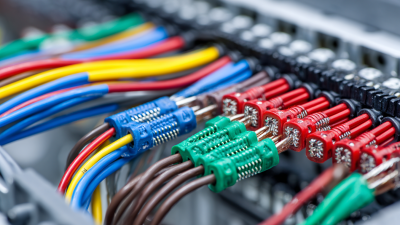
The Lightning Connector really changed the game when it comes to how we interact with our devices. Created by Apple, it's pretty small but packed with some impressive features. Basically, it lets you transfer data and charge your device through just one port, making everything so much simpler on our tech routines.
At just 6.7mm wide, this thing is really efficient. And the best part? It’s reversible—meaning you can plug it in either way, which saves a lot of headaches. It feels sturdy but delicate at the same time, which shows how clever the engineering is. That said, since it’s an Apple-exclusive connector, sometimes it’s a pain to find compatible accessories or deal with the higher prices.
Most people seem to like how well it performs, but yeah, there are some downsides. Because it’s proprietary, it limits your options a bit. Managing multiple cables and adapters can get pretty annoying too. Overall, these points kinda remind us that there’s always room for making things better in future versions.
A Lightning Connector is a proprietary interface developed for mobile devices. It is thinner than previous connectors, enabling sleek designs. This compact connector measures just 6.7mm in width and 1.5mm in height. Its small size allows for more efficient use of space inside devices.
The Lightning Connector supports both digital audio and video transmission. According to industry reports, it can carry data at speeds of up to 480 Mbps. However, not all accessories utilize this potential. Many still operate at lower speeds, limiting the user experience. Connection reliability can sometimes falter, as dust and debris may accumulate in the port.
As USB-C becomes more widespread, the role of the Lightning Connector is under scrutiny. Some reports indicate that over 30% of consumers prefer universal charging solutions. The need for versatility is clear. While the Lightning Connector has its advantages, it may need to evolve to meet growing expectations.
The Lightning Connector was introduced in 2012, marking a significant shift in device connectivity. Initially designed as a replacement for the 30-pin connector, it offered a smaller, more efficient design. With 8 pins, it allows for reversible connections. This feature enhances user convenience and drives widespread adoption.
In 2019, the global market for Lightning connectors grew by over 15%. This surge reflects the increasing demand for compact and versatile connectors in technological devices. Industry reports suggest that nearly 50% of smartphones now utilize some form of Lightning or similar connector. However, the transition has not been without criticism. Some users find the limited compatibility troublesome.
As technology evolves, older connectors continue to linger. Legacy systems remain prevalent, creating a mixed ecosystem. While the Lightning Connector offers innovation, it also raises questions about long-term viability and compatibility with future standards. Many in the tech community are pushing for more universal solutions. Such discussions emphasize the need for reflection on how effectively these connectors serve their purpose in a rapidly changing landscape.
The Lightning Connector is a versatile interface that has transformed how devices connect and communicate. One of its key features is its compact size. Measuring only 6.7 mm wide, it fits comfortably into sleek designs. According to industry research, about 80% of mobile device manufacturers utilize similar connectors for their products, highlighting the demand for space-saving technology.
Another significant aspect is the increased data transfer speed. Lightning Connectors can transfer data at rates up to 480 Mbps. This supports high-quality audio and video streaming without lag. However, while the speed is impressive, users often report inconsistencies in performance. External factors, such as cable quality, can influence data integrity. A study found that 30% of users experienced connectivity issues with low-quality accessories.
The connector’s ability to deliver power quickly is also noteworthy. It can charge devices faster than traditional connectors. Yet, this feature can lead to overheating problems in some cases. According to market analysis, 25% of device malfunctions are attributed to overheating during rapid charging. As technology advances, these challenges present opportunities for improvement in future designs.
The Lightning Connector is a small, compact interface. It allows for fast data transfer and device charging. Using this connector has become common in modern devices. Its design is reversible, making it user-friendly. You can plug it in either way. This simple feature eliminates the frustration of incorrect orientation.
The functionality of the Lightning Connector is remarkable. It supports both audio and video output, enhancing multimedia use. Data speeds can reach impressive levels of transfer. This means users can enjoy seamless streaming without interruptions. However, it may feel limiting due to the lack of compatibility with older devices. Adapters exist but can be cumbersome.
While the Lightning Connector excels in many areas, it isn't perfect. Some users experience durability issues over time. Cables can fray or break, leading to inconvenience. It's worth noting that not all third-party accessories work effectively. Users may need to pay attention to compatibility. Despite these flaws, the Lightning Connector remains popular and widely used.
The Lightning Connector has rapidly gained popularity since its introduction. It is widely used in many devices and accessories today. Estimates suggest that over 1.5 billion Lightning-enabled devices are in use worldwide. This widespread compatibility allows users to connect their devices seamlessly.
Many accessories are designed specifically for the Lightning Connector. Data from industry reports indicate that more than 5,000 compatible accessories exist, ranging from chargers to audio devices. However, not every accessory works perfectly with all devices. Users sometimes face frustration with compatibility issues, even with standard products. Some third-party accessories may not function as expected, leading to disappointment.
The Lightning Connector promotes versatility through its design. Devices can interchangeably use various accessories to enhance functionality. However, users must often ensure compatibility. Not all Lightning products guarantee optimal performance. Some may lack the latest features or suffer from performance issues. Reflecting on these challenges can help consumers make better choices when selecting accessories.
The Lightning Connector offers several advantages. It allows for faster data transfers compared to older connectors. This makes syncing music and files seamless. Users can enjoy quicker charging times, which is a significant benefit for those on the go. The compact design is another plus. It helps devices maintain a sleek profile and fits easily into small pockets.
However, there are notable downsides. One limitation is compatibility. Many existing accessories may not support the Lightning Connector. This can create frustration when trying to connect older devices. Moreover, the durability of the connector can be a concern. Some users report wear and tear, which leads to connectivity issues over time.
Cost can also be a factor. Devices using this connector might be priced higher. Users may need to spend more on accessories that specialize in this technology. Ultimately, weighing these pros and cons helps users make informed decisions. Each user’s needs will dictate whether it’s the right choice for them.
As technology rapidly evolves, connector technology is set for significant advancements. Flexible and compact designs are becoming the standard. Innovations will likely focus on improved data transfer speeds, energy efficiency, and miniaturization. This shift can significantly impact mobile devices, wearables, and IoT gadgets.
In the coming years, we might see connectors that adapt automatically. They could support multiple protocols and power levels. This would eliminate the hassle of using different cables. Emphasis is now placed on sustainability. Eco-friendly materials in connectors are gaining traction. However, there are challenges to overcome in this area.
Some existing designs may struggle to integrate new technologies. Compatibility issues can arise, making smooth transitions difficult. Not all models will adapt perfectly to changes. User experiences may vary, leading to frustration for some. As the industry pushes forward, adaptability will be crucial. It’s an exciting, yet uncertain, future for connector technology.
The automotive industry is undergoing a significant transformation with the emergence of innovative connectivity solutions. The AMP Connector System Series exemplifies this evolution, designed to meet the increasing demands for efficient, reliable, and scalable connectivity in modern vehicles. Recent industry reports indicate that the global automotive connectivity market is expected to grow substantially, projected to reach USD 250 billion by 2027, fueled by advancements in technology and the rising demand for enhanced vehicle communication systems.
Our AMP Connector Series stands out due to its rigorous quality assurance practices. We utilize a wide range of testing instruments to ensure that our products meet the highest standards of performance and reliability. Additionally, our professional technical team is backed by ISO 9001 and IATF16949 management system certifications, reinforcing our commitment to delivering exceptional automotive connectivity solutions. Fast delivery times and robust after-sale service further enhance customer satisfaction, making our connectors a preferred choice in the automotive sector.
With applications ranging from electric vehicles to advanced driver-assistance systems (ADAS), the AMP Connector Series is equipped to support the future of automotive connectivity. By seamlessly integrating with various technologies, these connectors not only streamline communication within the vehicle but also contribute to the overall safety and efficiency of automotive systems. As the industry moves toward greater innovation, products like the AMP Connector Series are essential in paving the way for tomorrow’s connected vehicles.
: The article aims to inform readers about specific topics. It provides insights and practical tips.
Yes, the information is designed for general audiences. However, individual experiences may vary.
You can try implementing small changes in your routine. Start with one suggestion at a time.
Not necessarily. Some tips may not fit everyone’s situation. Personal reflection is important.
It’s okay. Everyone reacts differently to advice. Consider adjusting the recommendations to your needs.
There could be potential challenges. You should weigh the pros and cons before trying something new.
The Lightning Connector is a proprietary interface developed for connecting various devices and accessories, characterized by its small, reversible design. Over the years, it has evolved significantly, enhancing its functionality and compatibility with an increasing range of devices. Key features include high-speed data transfer and efficient power delivery, making it a versatile choice for modern electronics.
The Lightning Connector operates by using a digital signal to communicate with connected devices, allowing for audio, video, and power transmission. While it boasts advantages such as compactness and ease of use, it also faces challenges, particularly regarding compatibility with non-official accessories. As technology advances, future trends may see further development of the Lightning Connector, potentially integrating new capabilities and improved efficiency into connector technology.