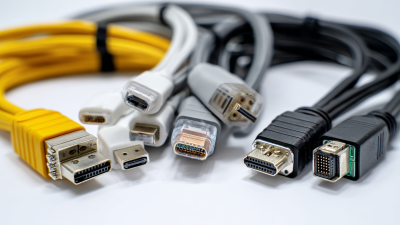
The Lightning Connector is Apple's cool little interface tech that's really changed the game when it comes to connecting devices. You've probably seen it on iPhones, iPads, and MacBooks — it’s that small, reversible plug that makes plugging in way easier. It’s super handy because it allows for quick charging and smooth data transfers, and users love how simple and efficient it is. Plus, lots of accessories like headphones and external drives now rely on this tech, which is pretty convenient.
That said, some folks do wonder about how durable it actually is and whether all devices will stay compatible in the long run. Think about it—The Lightning acts kind of like a bridge within the Apple world, but it’s also facing pressure from more universal standards like USB-C. Some users feel kinda limited because it’s proprietary and not as open as they’d like. This whole situation really shows that the tech industry is still evolving, and there’s definitely room for improvement.
Honestly, understanding the Lightning Connector is pretty useful if you want to get what’s going on in today’s tech scene. Whether you're a current user or just curious about the future, it's good to know what this little connector does and what’s coming next.

What is a Lightning Connector?
The Lightning Connector is a compact, reversible connector used primarily for charging and data transfer. This innovative design allows for faster connections. It can support high-speed data transfers of up to 480 Mbps, which is essential for transferring large files quickly. The industry has noted that devices using this technology often have better performance in data-heavy tasks.
One critical aspect of the Lightning Connector is its durability. Reports indicate that the average lifespan of connectors is about 10,000 insertions. This can be a game-changer for users who frequently connect and disconnect devices. However, not all connections are equal. Many users report wear and tear faster than anticipated, leading to performance issues.
Tips: Always gently insert and remove the connector to prolong its life. Avoid excessive bending of the cables, as this can lead to damage. Regularly check for debris in the port, as it can interfere with connections. Be mindful that while lightning connectors are efficient, they might not be compatible with all devices, leading to user frustration. Furthermore, as technology evolves, it's crucial to stay updated on the latest standards. Understanding these nuances can enhance your user experience significantly.
History and Development of the Lightning Connector
The Lightning Connector has an intriguing history. It emerged from a need for a more efficient data and power connection. Before its advent, users dealt with bulky ports that tangled easily. The quest for a slimmer, reversible connector began. Engineers faced unique challenges. They wanted speed, compactness, and versatility.
In 2012, the Lightning Connector made its debut. It was a game changer, offering 8 pins instead of the previous 30. This new design allowed for a smaller profile. Users appreciated the ease of connectivity. However, some criticized the transition. Adapters were necessary, frustrating many. Products with older ports quickly became obsolete. People had to adapt, and this shift stirred mixed feelings.
Over the years, the Lightning Connector evolved too. Advances in technology led to better performance, addressing early concerns. Yet, debates persist about compatibility. Innovators work tirelessly to enhance its capabilities. As we reflect, the journey of the Lightning Connector reveals both triumphs and challenges. Progress often brings a need for adjustment.
Design and Features of the Lightning Connector
The Lightning Connector is a small but powerful design. Its compact size allows for a thin form factor, essential for modern devices. The reversible nature makes plugging in easier, eliminating the frustration of incorrect orientation. This feature enhances user experience significantly.
The connector features an intelligent design. It is equipped with a high-speed data interface. This allows for quick transfers and efficient charging. Many users appreciate this blend of speed and convenience. The design is rugged yet lightweight, making it suitable for portable devices. However, some users may find it fragile if not handled carefully.
The Lightning Connector's design involves intricate engineering. It supports audio and video output, adding versatility. Users enjoy seamless connections to various peripherals. Still, the reliance on proprietary technology can limit compatibility with third-party accessories. This creates a dilemma for users seeking more versatile solutions. Engaging with this connector reveals both remarkable innovation and potential frustration in everyday use.
How the Lightning Connector Works: Technical Overview
The Lightning Connector
is a fast, compact interface widely used in modern devices. It offers a reversible design that makes plugging in easier. This connector supports high data transfer speeds and efficient charging. According to a recent industry report, devices using this connector can charge up to 50% faster than previous standards. However, compatibility remains an issue. Not all accessories work seamlessly with every device.
Technically, the Lightning Connector operates on a digital signal protocol. This allows it to transmit data at speeds up to 480 Mbps. Such speeds are essential for tasks like syncing large files. An analysis from a tech insight firm highlights that this connector technology significantly reduces latency during transfers. Yet, some users find the reliance on a proprietary connector frustrating. It limits their options for cables and accessories.
When examining the Lightning Connector's design, it's evident that size matters. Measuring just 6.7mm wide, it fits easily into slim devices. Despite this compactness, some users express concerns about durability over time. Reports indicate wear and tear could affect older connectors, potentially leading to connectivity issues. This ongoing challenge prompts a re-evaluation of materials and design practices in future iterations.
Common Uses and Applications of the Lightning Connector
The Lightning Connector has become integral in modern technology. Many devices utilize it for charging and data transfer. Laptops, tablets, and smartphones are just a few examples. These connectors allow fast charging, often completing a full charge in under an hour. Users appreciate this speed in their busy lives.
Audio accessories also benefit from the Lightning Connector. Many headphones utilize this technology for enhanced sound quality and convenience. Gamers enjoy the low latency that comes with wired connections. However, compatibility issues can arise. Adapters are sometimes needed, which can be inconvenient.
Beyond charging and audio, the Lightning Connector supports various peripherals. This includes cameras and external storage devices. The seamless connection facilitates quick file transfers and backups. Yet, it can be frustrating when devices don’t recognize the connection. Users must remain vigilant about compatibility. The Lightning Connector has its challenges, but its impact is undeniable.
Common Uses of the Lightning Connector
Comparisons: Lightning Connector vs. Other Connectors
When comparing the Lightning Connector to other connectors, several factors come into play. The Lightning Connector is compact and reversible, making it easy to use. Unlike traditional connectors, you don't have to worry about which way to insert it. This feature is convenient, but sometimes the small size can be a challenge for thicker cables.
USB-C is another popular option. It offers faster data transfer speeds and is universal across many devices. However, it can be confusing with various specifications, such as USB 3.1 and USB 4. This complexity can frustrate users seeking simplicity. Meanwhile, micro USB connectors are still in use but feel outdated, struggling with compatibility.
Tips: When choosing a connector, consider your device's compatibility. Not all connectors are created equal. Keep an eye on cable quality; cheap options might lead to poor performance. Always research the specific connector types for the best experience.
Consider how frequently you connect and disconnect devices. This habit can affect connector durability. The ease of use can be a double-edged sword; convenience often leads to negligence. Balancing functionality and care is essential in maintaining your devices.
Future Trends and Innovations in Lightning Connector Technology
The Lightning Connector is evolving rapidly. With advancements in technology, new features are being introduced. Enhanced charging speeds are on the horizon. Additionally, improved data transfer capabilities will reshape user experiences. This shift promises to make devices more efficient and user-friendly.
Future trends suggest that wireless technologies may also integrate with the Lightning Connector. Imagine a world where wired connections become less necessary. However, this transition could face challenges. Users often rely on familiar methods. Trust in new technologies can take time to build.
Innovations may also focus on sustainability. Environmentally friendly materials are a growing concern. The industry needs to address e-waste effectively. While progress is promising, the public's needs must be considered. Balancing innovation and practicality is crucial for the future of the Lightning Connector.
FAQS
: The article aims to provide insights on a specific topic.
You can implement the ideas in your daily activities or planning.
Yes, many people misunderstand key concepts outlined in the article.
Pay attention to the details, as they contain valuable information.
Not necessarily, some details may resonate more with specific audiences.
Regularly review them to ensure you’re making informed decisions.
Reflection is important. Consider why you have a different perspective.
Yes, it may not cover all scenarios or provide a one-size-fits-all approach.
Engage with others or conduct further research for deeper understanding.
Many overlook small but crucial details that can impact their decisions.
Conclusion
The Lightning Connector is a versatile and compact interface used primarily for connecting devices like smartphones, tablets, and accessories. Developed by Apple, its history showcases a significant evolution from previous connectivity solutions, emphasizing its innovative design and functionality. The Lightning Connector features a reversible design, allowing users to plug in the cable in either orientation, which enhances convenience.
From a technical standpoint, the Lightning Connector operates through a digital signal that supports various functionalities, including power delivery and data transfer. Its common applications range from charging devices to connecting peripherals like headphones and docks. When compared to other connectors, the Lightning Connector stands out due to its small size and speed, making it a preferred choice for many users. Looking ahead, trends suggest continued advancements in Lightning Connector technology, with potential improvements in speed and compatibility with emerging devices.