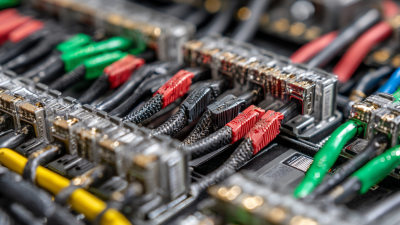
Taking care of your car isn’t just about the obvious stuff; it’s also knowing a bit about its little hidden parts. One key thing to get a grip on is Nissan Connectors. These tiny connectors are actually pretty important—they help all sorts of systems in your Nissan work smoothly.
Think of Nissan Connectors like the joining points for electrical bits in your car. From how your engine runs to your infotainment system, they’re involved somewhere. If you know how to spot these connectors, it can save you a lot of time and hassle when doing maintenance. Without that knowledge, even small fixes can turn into a headache. And if you accidentally mix up the connectors? Yeah, that can lead to more problems—or even damage.
For example, say your car’s headlight isn’t working. Usually, folks think it’s just a blown bulb, right? But sometimes, the real culprit is a Nissan Connector that's acting up. That kind of thing can be super frustrating and make repairs take longer than they should. Getting a handle on how these connectors work can really make troubleshooting way easier—and save you some headaches down the road.
Understanding the importance of vehicle connectors cannot be overstated. These components ensure seamless communication between various car systems. If a connector fails, you might experience issues like poor performance or malfunctioning features. It’s crucial to recognize how these connectors function and their role in overall vehicle maintenance.
Tips for keeping connectors in check include:
When troubleshooting electrical problems, connectors are often the culprits. Tracking down which connector is faulty can be a hassle. Sometimes, they don’t look damaged but still cause issues. Don’t overlook the small details; sometimes, it’s the overlooked components that lead to bigger problems down the line.
Keeping connectors in good shape often requires effort, but the benefits pay off in reliable vehicle operation.
Understanding the types of connectors in vehicles is essential for maintenance. Nissan connectors play crucial roles in various automotive systems. They establish secure electrical connections between different components, ensuring that everything functions smoothly.
Common types of connectors include harness connectors, module connectors, and sensor connectors. Harness connectors are often used to wire different systems together. Module connectors link control units to sensors and actuators. Sensor connectors facilitate communication between the engine module and various sensors. Each serves a unique purpose.
Reports indicate that improper connections can lead to malfunctions. In fact, studies show that electrical issues account for about 10-15% of vehicle breakdowns. Regular inspections of these connectors can prevent such issues. Identifying signs of wear, corrosion, or damage is crucial. Ignoring these can lead to bigger problems down the road. It’s vital to stay proactive in your vehicle maintenance routine.
When working on vehicle maintenance, identifying the right connectors is essential. Accurate tools can make this process easier. A multimeter is crucial for testing circuit continuity. A wiring diagram specific to your vehicle can help too. These diagrams often show the configuration of connectors. They simplify the task of identifying wires and pins.
Tips for dealing with connectors: Always start by disconnecting the battery. This prevents accidents and protects delicate electronics. Keep your workspace organized. Use trays or bins for small parts. Misplacing a tiny bolt can lead to frustration. Familiarize yourself with basic connector types. Look for differences in shape and color. This knowledge can save time during repairs.
Stay patient during the identification process. Some connectors can be stubborn. Forcing them may cause damage. If unsure, consult manuals or online resources. Connecting the wrong wires can create major problems. It is better to take extra time to verify than rush through. Developing a methodical approach pays off in the long run.
Identifying connectors in your vehicle can enhance maintenance significantly. Knowing their location helps in troubleshooting and repairs. Many drivers overlook this aspect, leading to more significant issues. Connectors play a crucial role in various systems, including electrical and safety components.
According to industry data, about 30% of car maintenance problems arise from connector issues.
To locate connectors, start with the owner's manual. It typically provides diagrams or images of the connectors in your vehicle. Look for wiring harnesses near critical components, such as the engine or battery. Often, connectors are bundled together, which can make them harder to spot. Familiarizing yourself with how these connectors look will save you time. Bring a flashlight; you may need it in tight spaces.
However, don’t rush this process. Finding and identifying connectors requires patience. Incorrectly reattaching or overlooking a damaged connector can lead to troubleshooting headaches in the future.
Advanced vehicles might have complex networks, making connector identification challenging for many. Keeping a maintenance log can help track any ongoing issues related to these connections.
When handling connectors in vehicles, safety is paramount. These connectors are often critical for electrical systems. Improper handling can lead to shorts or other issues. Always wear safety glasses. They protect your eyes from debris or accidental sparks. Gloves are also a good idea to prevent electrical shock or skin irritation.
Before you start, ensure the vehicle is off and the keys are removed. This minimizes risks while working. Check for any visible damage on the connectors. Frayed wires or corrosion can indicate serious problems. If you notice any, reconsider your approach. Sometimes, it's best to consult a professional.
While disconnecting connectors, do it gently. Forcing them may result in breakage. Label each connector you remove. This helps when reassembling. Take photos if necessary. Mistakes are easy to make, especially with similar connectors. Always double-check your work. Small oversights can lead to significant issues down the line. Staying alert is crucial.
| Connector Type | Description | Common Uses | Safety Precautions |
|---|---|---|---|
| Electrical Connector | Used to connect electrical components. | Battery, Sensors, Lighting | Always disconnect battery before handling. |
| Fuel Connector | Links fuel lines to the engine. | Fuel pump, Fuel injector | Wear gloves, avoid open flames. |
| Cooling System Connector | Connects hoses in the cooling system. | Radiator, Thermostat | Let engine cool before servicing. |
| Data Link Connector | Interface for diagnostic tools. | ECU Diagnostics | Ensure the ignition is off when connecting tools. |
Nissan connectors often face issues that can significantly impact vehicle performance. A report by the Automotive Component Manufacturers Association indicates that approximately 30% of electrical failures in cars are attributed to faulty connectors. These failures can lead to poor electrical connectivity, causing malfunctions in essential systems like engine management and safety features.
Common issues with connectors include corrosion, loose connections, and physical damage. Corrosion can occur due to moisture exposure, especially in older vehicles. Loose connections may arise from vibrations or improper installation during repairs. In some cases, plastic connectors may crack, providing poor contact. Regular inspections can reveal warning signs of these problems. Look for discoloration, rust, or frayed wires.
Resolving connector issues is crucial for reliable vehicle operation. Cleaning corroded connectors with contact cleaner can restore functionality. Ensure that connections are secure to prevent future issues. In cases of physical damage, replacement might be necessary. Address these problems promptly to maintain optimal performance and safety. Ignoring minor issues can lead to bigger, costlier repairs down the line. Vehicle maintenance often highlights the importance of these small but essential components.
Maintaining Nissan connectors is crucial for vehicle performance. Here are some practical tips to help prolong their life.
Keep connectors clean. Dirt and debris can create resistance. Regularly inspect connectors for corrosion. If you see rust, clean it with a wire brush. Applying dielectric grease can also help prevent moisture buildup.
Check for wear and tear. Look for frayed wires or loose connections. Addressing these issues early can save you from bigger problems later. Don’t ignore any warning signs, such as flickering lights or unusual noises.
Store your vehicle properly. Extreme temperatures can damage connectors. Parking indoors or using a high-quality car cover can protect your vehicle. Inconsistent maintenance can lead to larger issues. Regularly scheduled checks can help you stay ahead.
In modern applications, the integration of advanced materials such as PB531-06020 is increasingly essential. Drawing insights from comprehensive industry reports highlights the myriad benefits this material offers, particularly in terms of enhancing product durability and performance. The compact design of the receptacle housing enables seamless integration into various devices, making it an ideal choice for engineers and manufacturers looking to optimize space without sacrificing efficiency.
Quality assurance is a cornerstone of our commitment to delivering exceptional products. By utilizing a diverse range of testing instruments, we ensure that every component meets rigorous quality standards. Our professional technical team operates under ISO 9001 and IATF16949 management system certifications, ensuring that our practices align with international quality benchmarks. Furthermore, we prioritize swift delivery times and robust after-sales support, enabling clients to maintain their operations with minimal disruption.
The adaptability of PB531-06020 in diverse applications is underscored by its design and performance capabilities. Whether in automotive, aerospace, or consumer electronics, this material provides reliable functionality, making it an excellent investment for businesses aiming to lead in innovation. By leveraging the insights gained from industry analysis, manufacturers can confidently harness the advantages of this advanced material in their projects.
: The product aims to provide an effective solution to everyday challenges. It assists users in improving efficiency.
Regular cleaning is essential. Check for any wear and replace parts when necessary.
The product is designed for a wide range of users. However, supervision for young users is recommended.
Yes, it can be used outdoors. Ensure it is protected from extreme conditions to prolong its lifespan.
If the product malfunctions, try resetting it. Consult the manual for specific issues. Reflection may be needed for solutions.
Familiarize yourself with all functions. Participate in user communities for additional tips and shared experiences.
The product is made of durable materials. It's important to handle it carefully to avoid damage.
Users often overlook maintenance steps. Ignoring basic care may lead to issues.
Updates depend on usage frequency. Regularly check for improvements or upgrades to enhance functionality.
Warranty periods vary. Always read the terms carefully to understand coverage and limitations.
Nissan Connectors play a crucial role in the efficient operation and maintenance of vehicles. Understanding their importance is essential for any car owner, as these connectors facilitate communication between various automotive systems. The article outlines different types of Nissan Connectors and their specific functions, highlighting the tools necessary for identification and proper handling.
Additionally, it provides a step-by-step guide on locating these connectors within your Nissan vehicle and emphasizes the importance of safety precautions when working with them. Common issues related to Nissan Connectors are discussed, along with effective resolutions. To ensure their longevity, the article also presents maintenance tips aimed at prolonging the life of Nissan Connectors, ultimately enhancing the overall performance of your vehicle.