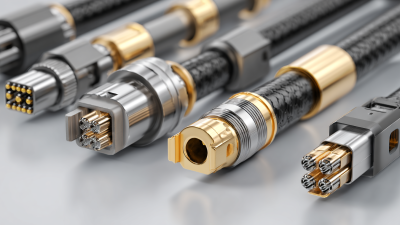
Electrical wire connectors might not get a ton of attention, but honestly, they’re really important whether you're working on a home project or in an industrial setting. These little guys are what keep the wires firmly connected, which is a big deal because poorly connected wires can cause all sorts of problems—sometimes pretty dangerous ones too. I remember listening to John Smith from WireMasters Inc. say, 'Choosing the right connector can make all the difference when it comes to safety and making sure everything runs smoothly.' It’s actually pretty eye-opening how many folks overlook how crucial proper connector selection is. If you don’t pay attention to the details, your setup could become unsafe or just not work well. Bad connections, for example, can overheat and even damage other parts of your electrical system—that's no joke. As technology keeps evolving, staying in the know about best practices for these connectors is more important than ever. It’s a good reminder that this stuff, which often seems like a small detail, actually deserves more focus and understanding than most people give it.

What is an Electrical Wire Connector?
An electrical wire connector is a crucial component in electrical wiring. It secures two or more wires together, ensuring a reliable connection. Without these connectors, electrical systems would be prone to failures. They come in various shapes and sizes, designed for different applications. Some are simple, while others can be quite complex. The working principle of a wire connector is straightforward. It typically uses mechanical or soldering methods to hold the wires together. Mechanical connectors often rely on screws or crimping to create a tight bond. On the other hand, soldered connections melt metal to join wires permanently. Each type has its pros and cons, and the choice often depends on the specific needs of the project. It’s essential to select the right connector for the job. Using an unsuitable connector may lead to issues, such as increased resistance or overheating. Proper installation is also vital; a poor connection can be as dangerous as using the wrong type. Often, individuals might overlook these details in their projects, leading to future complications. Regular checks and maintenance can help mitigate these risks.
Types of Electrical Wire Connectors Available
Electrical wire connectors play a crucial role in ensuring safe and efficient electrical connections. They come in various types, each designed for specific applications. The most common types include wire nuts, butt connectors, and terminal blocks. Wire nuts twist onto stripped wire ends, creating a secure connection while also insulating the wires. Butt connectors join two wires end-to-end, providing a robust and often soldered connection. Terminal blocks offer a modular solution, allowing multiple wires to connect to a common point. According to a recent industry report, the wire connector market is projected to reach $3.6 billion by 2025, reflecting its significance in electrical systems.
Safety should always be a focus when choosing wire connectors. Poorly selected or installed connectors can lead to overheating and potential electrical fires. Data from the National Fire Protection Association (NFPA) indicates that electrical failures are responsible for around 51,000 fires annually in the U.S. This statistic highlights the importance of using appropriate connectors. Additionally, connectors must match the wire gauge and conductor type. For instance, using a connector rated for larger gauges on smaller wires could lead to failures or issues.
Installer errors can also arise from a lack of proper training. Many electrical workers might overlook the need for strain relief or proper torque settings, leading to disconnections. This underscores the need for industry training programs focusing on best practices with connectors. Ignoring these aspects may result in costly repairs and increased risks. Ensuring proper usage and installation of electrical wire connectors is essential for both safety and efficiency in electrical systems.
What is an Electrical Wire Connector and How Does It Work? - Types of Electrical Wire Connectors Available
| Type of Connector | Description | Typical Use | Advantages |
| Twist-on Wire Connectors | Connects two or more wires using a twisting motion. | Residential electrical wiring. | Easy to use, secure connection, good for various wire sizes. |
| Crimp Connectors | Uses a metal sleeve to hold wires together by crimping. | Automotive and industrial applications. | Provides a strong, permanent connection; moisture resistant. |
| Blade Connectors | Flat connectors that slide into a receptacle. | Used in automotive, appliances, and electronics. | Allows quick disconnection; reliable for low-voltage applications. |
| Solder Connectors | Wires are joined together with a melted solder. | Electronics and delicate connections. | Excellent electrical conductivity; very secure joints. |
| Insulation Displacement Connectors (IDC) | Connects wires without stripping insulation, cutting into the wire. | Telecommunication and data cables. | Fast installation; reduces labor time. |
Key Components of Electrical Wire Connectors
Electrical wire connectors are crucial in ensuring a secure and functional electrical connection. Each connector consists of several key components that play distinct roles. The most basic element is the conductor. This metal piece allows electrical current to flow smoothly. Typically made from copper, it ensures minimal resistance. Insulation surrounds the conductor, providing safety. It prevents accidental contacts that could lead to shorts. Often made from materials like PVC or rubber, insulation also guards against environmental factors. A reliable connector needs good insulation. It helps to prolong the life of the connection. Another essential component is the housing. This part encases the internal elements, providing protection and stability. A well-designed housing can withstand physical stress. However, some connectors lack proper strain relief. This could lead to failure over time. Visual inspection is vital. Look for wear and tear signs on these components to ensure functionality. Each part plays a role, yet sometimes they don't perform as expected. Understanding these components can lead to better usage and maintenance.
Electrical Wire Connector Types and Their Usage
How Electrical Wire Connectors Work Mechanically
Electrical wire connectors play a crucial role in circuits. They join wires to ensure proper connectivity. Mechanical design varies, but they all aim for efficiency. When two wires meet, a connector secures them. This connection allows electricity to flow smoothly. Various types include twist-on, crimp, and push-in connectors. Each has unique features and applications.
Mechanical operation involves several steps. First, the wires must be stripped of insulation. This exposes the metal conductor inside. Next, the stripped wires are inserted into the connector. A mechanism then grips the wires tightly. This grip prevents accidental disconnection.
Sometimes, connectors fail. Misalignment or insufficient gripping can hinder performance. Regular checks can help avoid issues. A connector that doesn’t work perfectly leaves room for reflection on craftsmanship.
In conclusion, understanding how electrical wire connectors work mechanically helps in effective wiring practices. Observing their flaws can teach valuable lessons. Adapting techniques can lead to more reliable connections in the future. Consider these factors for better results.
Importance of Proper Wire Connections in Electrical Systems
Proper wire connections are crucial in any electrical system. They ensure that electricity flows efficiently and safely. A loose or faulty connection can lead to arcing, overheating, or even fires. This risk highlights the importance of using the right electrical wire connectors. Many underestimate the impact of a poor connection. It's easy to overlook a small mistake, but it can have serious consequences. For instance, corroded connectors might compromise the flow of electricity. Regular checks can prevent such issues, yet many skip them. Additionally, not all connections are created equal. Some connectors are better suited for specific applications. If the wrong connector is used, it can affect performance. Understanding the role of wire connectors can lead to safer and more efficient electrical systems. Adequate training and awareness about wire connections remain essential for anyone working with electricity.
Safety Considerations When Using Electrical Wire Connectors
When working with electrical wire connectors, safety should always be a top priority. These connectors link wires and provide a secure connection for electrical circuits. However, a careless mistake can lead to dangerous situations, including electrical shocks or fires. Always inspect your connectors for damage before use. A frayed wire can lead to serious issues.
Tips: Use connectors that are rated for your specific wire gauge. Always match the connector size to the wire. If in doubt, consult a professional. Make sure to turn off power when working on electrical installations. This simple step can save you from severe injury. It’s easy to forget, especially during a busy project.
Regularly educate yourself about safety standards and practices. Electrical work can be unforgiving if mistakes are made. Always ensure that your connections are tight. Loose connections can cause overheating and potential hazards. Take extra care with high-voltage applications.
Reflect on past mistakes to improve your technique. Prioritize safety, and you’ll create a better work environment.
Best Practices for Selecting and Using Wire Connectors
Selecting the right wire connector is crucial for safety and efficiency in electrical installations. According to industry reports, improper connections account for approximately 30% of electrical failures. This statistic underlines the importance of making informed choices. First, consider the connector type. Options vary from twisted wires, crimped connections, to screw terminals. The correct selection depends largely on the application. Choosing the appropriate wire gauge is also essential. The current capacity of a wire must align with the connector specifications. A mismatch here can lead to overheating. Additionally, environmental factors should not be overlooked. For example, connectors exposed to moisture require specific insulation materials. Some connectors simply do not hold up in humid conditions, leading to potential hazards. Many DIY enthusiasts overlook the importance of proper testing. After installation, it is best practice to use a multimeter to check for continuity. A simple oversight can lead to significant consequences. Even minor imperfections in connections may lead to equipment failure or fire risks. Always prioritize quality over cost when selecting wire connectors. Investing in reliable products pays off in the long run.
Exploring the Multilock Connector System Series: Features, Benefits, and Applications in Modern Connectivity Solutions
The Multilock Connector System is at the forefront of modern connectivity solutions, offering a robust framework for various applications, including automotive and motorcycle industries. This innovative series is characterized by its exceptional durability and versatile design, enabling seamless connections in challenging environments. The system is engineered with a focus on reliability, ensuring that connections remain stable and efficient over time, which is crucial for today’s fast-paced technological advancements.
One significant advantage of the Multilock Connector System lies in its extensive testing protocols. Utilizing a wide range of testing instruments, manufacturers guarantee the quality and performance of each connector. Coupled with a professional technical team that adheres to ISO 9001 and IATF16949 management system standards, customers can trust that they are receiving products that meet rigorous safety and quality benchmarks. Furthermore, the commitment to fast delivery times and excellent after-sale service highlights the dedication to customer satisfaction.
These connectors, such as the MG620153 model, cater to the needs of the automotive motorcycle sector by providing reliable connections that enhance performance and safety. Their design not only accommodates various wiring configurations but also supports the increasing demand for efficiency and longevity in connectivity solutions. As industries evolve, the Multilock Connector System remains a vital component in fostering advancements in connectivity technology.
FAQS
: Think about your specific needs and how the product fits them. Research its features thoroughly.
Compare different options. Look at reviews from other users to get a balanced view.
Trends change rapidly. Choose based on your own style, not just popular opinion.
Regularly check in with what you require. Needs can evolve over time.
Reviews can be biased. Look for patterns in feedback rather than just star ratings.
Reflect on your choice. Consider if you did enough research or if you misunderstood the product features.
Conclusion
Electrical wire connectors are essential components in electrical systems, designed to join electrical wires securely and efficiently. Various types of connectors are available, including twist-on, crimp, and terminal connectors, each serving different applications and preferences. Key components of these connectors often include a conductive element for electrical connection and an insulating part to ensure safety.
The mechanical operation of electrical wire connectors involves securing wires together to create a reliable electrical path while preventing short circuits or disconnections. Proper wire connections are crucial for the safety and performance of electrical systems, as poor connections can lead to hazards such as overheating or electrical fires. Safety considerations are paramount when using electrical wire connectors, which involve selecting the appropriate type and following best practices for installation and maintenance. This careful approach ensures the longevity and effectiveness of electrical connections in a variety of applications.