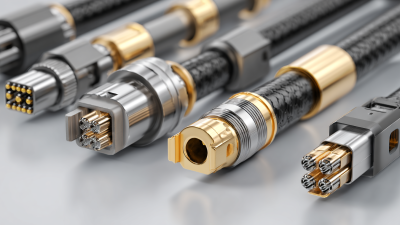
As 2026 gets closer, we’re really seeing how quickly the world of electrical connectors is changing. Companies like TE Connectivity and Molex are leading the way with some pretty cool, innovative designs that are built to keep up with today’s expectations. These upgrades are pretty important because they’re used everywhere — from cars and gadgets to renewable energy setups.
The main goal? Making things more efficient and reliable. But let’s be real — it’s not all smooth sailing. A lot of these connectors still haven’t quite been optimized for really tough environments. They’ve gotta handle extreme temps, moisture, vibrations — you name it. So, it really comes down to the materials and manufacturing tricks up their sleeves.
Sustainability is also a hot topic. The industry is pushing to use greener, eco-friendly materials, which is great to see, but there’s still a long way to go. Watching these trends unfold gives us a good sneak peek into where electrical connectors are headed. The innovations coming our way could totally shake up a bunch of industries and lead to smarter, more efficient tech — it’s pretty exciting stuff.

Key Trends in Electrical Connectors for 2026
The landscape of electrical connectors is evolving quickly. In 2026, key trends will reshape the industry. One significant trend is the move towards eco-friendly materials. Manufacturers are exploring alternatives to conventional plastics. This shift reflects a growing awareness of environmental impact. Lightweight and biodegradable options are gaining attention.
Another exciting innovation is the rise of smart connectors. These devices integrate connectivity and data transmission seamlessly. They can monitor performance in real time. This capability allows for predictive maintenance, reducing downtime. However, the challenge lies in ensuring compatibility across various systems. Companies may struggle with integration issues.
Furthermore, miniaturization continues to accelerate. As devices become smaller, connectors need to shrink too. This trend enhances portability but raises concerns about reliability. Tiny connectors are more prone to damage or failure. Engineers face a delicate balancing act between size and durability. The future of electrical connectors is promising, yet fraught with challenges.
Emerging Materials for Advanced Electrical Connectors
The future of electrical connectors is heavily influenced by emerging materials. Innovations are driving performance enhancements in various applications, particularly in the automotive and aerospace sectors. According to recent industry reports, the use of advanced materials can improve connector durability by up to 30%. This is crucial, given the increasing demand for lightweight and robust designs.
New materials like polyphenylene sulfide (PPS) and thermoplastics are gaining traction. These materials offer excellent heat resistance and electrical properties. For example, PPS connectors can operate at high temperatures without degrading. Additionally, metal matrix composites are being explored for their strength and conductivity. They can reduce overall weight while maintaining high performance. Such advancements could revolutionize how electrical systems are designed.
However, challenges remain in the adoption of these materials. The manufacturing processes can be complex and costly. Furthermore, not all materials perform well in extreme conditions, which raises questions. Reliability is critical; any failure can lead to significant safety concerns. The industry must address these issues to fully harness the potential of new materials.
Innovative Designs Enhancing Electrical Connector Performance
Innovative designs are crucial for enhancing electrical connector performance. According to a report by MarketsandMarkets, the global electrical connectors market is projected to reach $96 billion by 2026. This growth is driven by advancements in technology and the increasing demand for reliable and efficient connections in various industries.
One notable trend is the adoption of modular systems. These systems allow for customizable configurations that can adapt to specific applications. They improve performance by reducing installation time and minimizing errors.
Additionally, new materials are making connectors lighter and more durable. For instance, polymer-based connectors show promise in reducing weight without compromising strength.
However, challenges persist. Many designs still struggle with heat dissipation. Poor thermal management can lead to failures, especially in high-power applications. There's an ongoing need for research in thermal conductivity solutions.
Moreover, while some innovations enhance connectivity, they may also increase complexity. Balancing innovation with usability remains a critical obstacle.
Smart Connectors and IoT Integration in 2026
In 2026, the integration of smart connectors and IoT technology will reshape the electrical connector landscape. These innovations promise to enhance connectivity, efficiency, and data collection. According to a recent industry report, the market for smart connectors is projected to grow at a CAGR of 15%, reaching $5 billion by 2026. This growth is largely driven by the demand for intelligent systems in automotive and industrial applications.
Smart connectors enable devices to communicate seamlessly, gathering real-time data and facilitating predictive maintenance. This shift towards connectivity is not without challenges. As systems become more integrated, ensuring data security and reliability is crucial. Many manufacturers grapple with vulnerabilities that can arise in complex IoT frameworks. Collaboration among engineers, cybersecurity experts, and IoT specialists is essential to mitigate these risks.
Moreover, the trend towards miniaturization complicates the landscape further. Smaller connectors can lead to increased design versatility but may also pose reliability concerns. The balance between size and performance is a continuous dilemma. As the industry moves forward, addressing these issues will be vital for the sustainable growth of smart connector technology.
Sustainability and Eco-friendly Practices in Connector Manufacturing
The electrical connectors industry is increasingly focusing on sustainability. Innovations are emerging to reduce environmental impact. Reports indicate that the global eco-friendly connector market could reach $10 billion by 2026. This growth shows a shift in priorities among manufacturers.
Due to rising demand for greener solutions, materials are changing. Manufacturers are exploring bioplastics and recyclable metals. Using these materials can reduce energy consumption. However, the challenge remains to ensure performance and reliability. There are concerns over how these materials will hold up under stress.
Sustainability is not just a trend; it’s a necessity. Many companies are aiming for net-zero emissions by 2030. Yet, only 20% of manufacturers have set clear goals. This gap highlights a need for actionable strategies. Industry leaders must find ways to balance sustainability with cost-effectiveness. This complex journey toward eco-friendly practices requires teamwork and innovation.
Challenges and Solutions in Electrical Connector Technology
The electrical connector industry faces several challenges that need addressing. With the rapid advancement of technology, connectors must evolve. Demand for higher data transmission speeds is increasing. Any lagging in improvements can result in system inefficiencies. Additionally, reliability and durability remain critical factors. Devices often encounter extreme conditions. Connectors must withstand these harsh environments to maintain functionality.
Innovations are necessary but not always straightforward. Developing smaller and lighter connectors is a priority. However, miniaturization often compromises strength and reliability. This trade-off can lead to connector failures in critical applications. New materials can help enhance performance, yet they come with their own manufacturing challenges. Manufacturers must balance innovation with cost-effectiveness.
Environmental concerns also put pressure on the industry. Sustainable materials are becoming essential. However, transitioning to greener options can present obstacles. Many companies are still adhering to traditional materials and processes. This resistance creates a gap in meeting the growing demand for eco-friendly solutions. A clear strategy must be formulated to navigate these complexities.
Future Applications and Market Opportunities for Connectors
The electrical connectors market is poised for significant growth by 2026. Advances in connector technology cater to emerging industries. Reports suggest the market could reach $XX billion by this year. Applications are expanding in sectors like renewable energy, electric vehicles, and consumer electronics.
Renewable energy sources are leading the charge. With solar and wind power, reliable connectors are essential. These connectors must withstand harsh environmental conditions. Data shows that the demand for robust connectors in such applications will increase by XX%. Similarly, electric vehicles will require innovative connectors. They need to handle higher currents and ensure safety.
Challenges exist. Not all manufacturers can keep pace with the rapid changes. Quality control remains a concern. Inconsistent standards can lead to product failures. As the industry evolves, addressing these issues will be crucial. Opportunities abound, but careful consideration is necessary to meet the future demand effectively.
FAQS
: Use a planner or digital tool. Prioritize tasks each day. Set reminders for deadlines.
Eliminate distractions. Focus on one task at a time. Take short breaks to recharge.
Try spaced repetition for memorization. Use active recall methods. Study in a quiet environment.
Practice mindfulness and meditation daily. Exercise regularly, and spend time outdoors. Journal your thoughts.
Break tasks into smaller parts. Delegate when possible. Ask for support from friends or colleagues.
Set clear goals. Celebrate small achievements. Surround yourself with positive influences.
Analyze how you spend your time. Identify time-wasting activities. Adjust your schedule accordingly.
It’s crucial for well-being. Allocate time for personal interests. Avoid overworking to prevent burnout.
Consider them learning opportunities. Reflect on what went wrong. Adjust your approach moving forward.
Make them specific and measurable. Ensure they are realistic. Regularly review your progress.
Conclusion
As we look toward 2026, the landscape of electrical connectors is set to evolve significantly, driven by key trends and innovations. The focus on emerging materials is crucial for enhancing their performance, while innovative designs are aimed at improving durability and efficiency. Smart connectors that integrate with IoT technology are expected to play a vital role in the connectivity of various devices, contributing to an increasingly interconnected world.
Additionally, sustainability remains a priority in connector manufacturing, with eco-friendly practices being adopted to reduce environmental impact. However, the industry faces challenges such as technological advancements and demands for higher reliability. Addressing these challenges will unlock future applications and market opportunities for electrical connectors, ensuring they remain at the forefront of technological innovation.