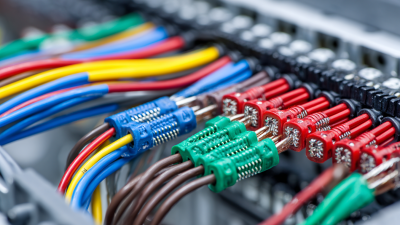
Connector housings might not be the flashiest part of the industry, but honestly, they're pretty crucial when it comes to making sure electrical connections work smoothly. Did you know the global connector market is expected to hit around $80 billion by 2025? Yep, it’s a huge deal, and understanding just how important these components are is key for anyone shopping around. According to reports from Allied Market Research, the market’s growing at about 6.9% annually — that’s pretty significant, especially since industries like automotive and aerospace are relying more and more on these parts.
Lately, the demand for sturdy and efficient connector housings has really gone up. Big players like TE Connectivity and Molex are constantly coming up with new innovations to keep up with this trend. But, here’s the tricky part — choosing the right connector housing isn’t exactly straightforward. There are tons of options out there, from super tough plastics to more complex designs, depending on what you need. Picking the wrong one can actually cause major issues down the line, especially in critical systems.
It’s also pretty important to stay on top of what's happening in the industry. For instance, with the shift toward electric vehicles, the need for more advanced connector housings is skyrocketing. When you're making your choice, things like temperature resistance and how well a product can handle tough environmental conditions really matter. A failure here isn’t just about fixing some gear—it could be dangerous and costly. So, getting a good grasp on these details helps you make smarter, more informed decisions and keeps systems running safely and reliably.
Connector housing plays a critical role in the functionality and durability of electronic devices. It acts as a protective shell for connectors, ensuring they remain intact under various environmental stresses. According to industry studies, over 30% of electronic failures can be traced back to connector issues. This indicates that choosing the right housing is essential for device reliability.
Materials used in connector housing influence performance. For instance, thermoplastics and metals are common choices. Each material offers distinct advantages such as thermal stability, corrosion resistance, and mechanical strength. A report from the Electronics Components Industry Association (ECIA) highlights that 70% of engineers consider material properties when selecting connector housing. This demonstrates the weight given to reliability and longevity in the design process.
Despite its importance, many buyers overlook connector housing attributes. They often focus on price and overlook crucial specifications. Not understanding how factors like sealing, strain relief, and locking mechanisms affect overall performance can lead to costly failures. Industry professionals urge buyers to evaluate housing features thoroughly to avoid potential setbacks. Ignoring these insights could result in increased downtime and repair costs, which could have been mitigated by thoughtful selection.
Connector housings play a crucial role in various applications across industries. They serve to protect connecting components from environmental factors like dust and moisture. The right housing enhances reliability and longevity, making it essential for buyers to choose wisely.
There are several types of connector housings. For instance, plastic housings are lightweight and cost-effective. They are often used in consumer electronics. On the other hand, metal housings provide superior durability. They are ideal for automotive and industrial environments where toughness is required. In some cases, a hybrid solution combining both materials offers a balance of protection and weight efficiency.
Industrial applications often demand specialized connector housings. Waterproof housings ensure functionality in wet conditions. Meanwhile, high-temperature housings withstand extreme heat. Buyers may overlook these specific needs, leading to potential failures. Investing time in understanding these options can mitigate risks. Recognizing different applications is essential for making informed decisions.
Connector housing is a critical component in various electronic applications. The choice of materials in manufacturing connector housings significantly impacts durability and performance. Understanding these materials helps buyers make informed decisions.
Common materials include thermoplastics, such as nylon and polycarbonate. These materials offer flexibility, chemical resistance, and lightweight properties. They are often used in environments with high moisture or temperature fluctuations.
On the other hand, metal housings, typically made of aluminum or stainless steel, provide strength and superior electromagnetic shielding. However, they can be heavier and more expensive.
Another key material is rubber. Rubber grommets and seals are often added to enhance water and dust resistance. This enhancement improves the longevity and reliability of connectors.
A drawback is that rubber may degrade over time when exposed to harsh chemicals or extreme temperatures. Buyers need to consider the specific application and environment. Material selection is essential for ensuring optimal performance and longevity of connectors in any use case.
Connector housing plays a critical role in electrical safety. It serves as the protective enclosure for vital connectivity components, safeguarding them against environmental factors. Its design can determine the durability and reliability of an electrical connection. A poorly designed housing might lead to failures, posing safety risks.
Electrical systems often face moisture, dust, and extreme temperatures. A well-crafted connector housing shields against these threats. For instance, a robust housing can prevent short circuits caused by water intrusion. Connectors with inadequate protection may eventually expose users to dangerous conditions. Regular evaluations of connector housings are vital for maintaining safety.
However, not all housing options are created equal. Some may lack proper insulation or fail under stress. Buyers should prioritize quality materials and construction. Understanding the specifications of connector housings can lead to better purchasing decisions. It’s essential to assess their performance in real-world applications. This vigilance can significantly enhance electrical safety in various environments.
Choosing the right connector housing is crucial for various applications. Buyers should consider several factors before making a decision. The material of the connector housing is often the most important aspect. Different materials offer varying levels of durability and environmental resistance. For instance, plastic may be lightweight but could lack strength. Metal casings, on the other hand, can provide superior protection but weigh more.
Another vital factor is the housing's size and shape. A connector housing must fit specific components and design requirements. Compatibility with existing systems is key. Overlooking this can lead to costly adjustments. Additionally, water and dust ratings play a role in functionality. Many connectors face harsh environments, making inadequate sealing a major flaw. A detailed understanding of the operational environment can prevent future issues.
Buyers also need to consider the ease of installation. Some connector housings require specialized tools for assembly. This can slow down projects and increase labor costs. Evaluating user-friendliness is essential. Finally, the overall cost should align with the intended purpose. A low-cost option may seem appealing but could lead to reliability issues down the line. Selecting the right connector housing fosters efficiency and builds trust in the system's performance.
Connector housing plays a crucial role in determining the performance and durability of electronic connections. Its primary function is to encase and protect the electrical terminals from environmental factors such as moisture, dust, and mechanical strain. The materials used in connector housing can significantly influence these protective qualities. For instance, thermoplastic or thermosetting plastics are often chosen for their resilience. Yet, not every plastic offers the same level of protection. This variability can lead to unexpected failures over time if the wrong material is chosen.
The design of the connector housing also impacts its durability. A well-engineered housing will prevent wear and tear, ensuring the connections remain intact even under harsh conditions. Some buyers may overlook this aspect. They may focus solely on the connectors themselves, missing out on how housing affects overall reliability. A robust connector may fail just as easily if its housing is not up to standard. Therefore, careful consideration of both the housing and connectors is essential for long-term performance. Reflecting on this aspect can lead to better purchasing decisions that enhance the overall effectiveness of electronic devices.
| Feature | Importance | Impact on Performance | Durability Factor |
|---|---|---|---|
| Material Type | Affects corrosion resistance | Higher performance in harsh environments | Increases lifespan of connectors |
| IP Rating | Indicates dust and water resistance | Prevents failures in extreme conditions | Enhances durability in adverse environments |
| Connector Design | Influences ease of use | Speeds up installation and maintenance | Minimizes wear and tear |
| Temperature Resistance | Ensures stable performance | Prevents thermal failures | Extends operational life |
| Electrical Insulation | Prevents short circuits | Improves safety and reliability | Enhances longevity of electrical components |
Connector housings play a vital role across many industries. These components are essential for protecting electrical connections. They ensure durability and reliability in various applications. The automotive sector relies heavily on connector housings to maintain safety and performance. In fact, the global automotive connector market is projected to reach $28.28 billion by 2026, reflecting a CAGR of 8.42%. This growth highlights the increasing demand for effective electrical solutions.
The aerospace industry also depends on high-quality connector housings. Here, safety is paramount. Reports show that the global aerospace connectors market is estimated to reach $6.24 billion by 2024. This demonstrates the significance of robust electronic connections in aircraft systems. Additionally, the industrial machinery sector utilizes connector housings to withstand harsh environments. These housings must endure factors such as dust, moisture, and extreme temperatures. In some cases, poor-quality connectors can lead to equipment failures. Such failures may result in costly downtimes and repairs.
Data from the medical device industry confirms the need for reliable connector housings. The medical sector demands precision and reliability to prevent failures during critical operations. It is projected that the global medical connector market will exceed $3.8 billion by 2025. Such figures reflect the utmost importance of connector housings in ensuring patient safety and device effectiveness. In every industry, choosing the right connector housing is not just a preference—it's a necessity.
The connectivity solutions market continues to evolve rapidly, driven by increasing demand for high-performance products across various industries. The Connector Housing Series 30968 exemplifies innovation in this space, offering versatile designs that meet the stringent requirements of modern applications. According to industry reports, the global market for connector solutions is projected to grow significantly, fueled by advancements in technology and expanding applications in sectors such as automotive, telecommunications, and industrial automation.
A crucial element in maintaining competitive edge in this market is the commitment to quality assurance and technical expertise. Our production process is supported by a comprehensive suite of testing instruments, ensuring that each connector housing meets the highest standards of performance. Backed by our professional technical team and adherence to ISO 9001 and IATF16949 management system certifications, we are proud to deliver products that exceed industry expectations. Moreover, our fast delivery times paired with exceptional after-sale service further enhance our reputation as a reliable partner in connectivity solutions.
Notably, the 2.54mm pitch and 0.64mm wide H-DAC 64 High Density connector has been gaining traction in various applications due to its capacity to support increased data transfer rates and efficiency. Reports highlight that the demand for high-density connectors is surging, driven by the need for effective space utilization in compact electronic devices. As industry trends shift towards miniaturization and enhanced connectivity, the Connector Housing Series 30968 is well-positioned to meet these evolving needs while ensuring reliability and performance in an increasingly interconnected world.
: Connector housings protect components from dust and moisture. They enhance reliability and longevity in various applications.
Common materials include thermoplastics, like nylon, and metals, such as aluminum. Each offers different benefits.
Material affects durability and performance. Plastic is lightweight but may lack strength, while metal provides better protection.
Waterproof housings protect connectors in wet environments. They help maintain functionality despite exposure to moisture.
The housing must fit specific components. Compatibility is vital to avoid costly adjustments during installation.
Rubber enhances resistance but can degrade in harsh chemicals or extreme temperatures. Buyers must evaluate their application.
Some housings need specialized tools, increasing labor costs. User-friendliness is a critical consideration for efficient projects.
Low-cost options might seem attractive but can lead to reliability issues. It's essential to balance cost and quality.
Knowledge of environmental needs helps to choose appropriate housings, reducing potential risks and ensuring reliability.
Inadequate sealing can result in functionality problems. Understanding these ratings is crucial for reliable performance.
Connector housing plays a crucial role in electrical systems by protecting connectors from environmental factors and ensuring reliable connections. Various types of connector housings are tailored for specific applications, ranging from automotive to industrial settings. The materials used in manufacturing these housings significantly influence their durability and performance, with options including plastics and metals that enhance electrical safety.
When selecting connector housing, buyers must consider factors such as compatibility, environmental resistance, and mechanical strength to ensure optimal functionality. Proper connector housing not only contributes to the safety of electrical systems but also affects their overall performance and longevity. Industries such as telecommunications, aerospace, and automotive frequently utilize connector housings to maintain the integrity of their electrical systems, highlighting their importance across various sectors.