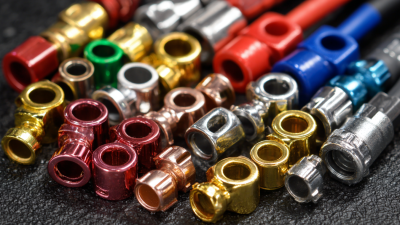
Picking the right electrical terminal really matters when you're working on any electrical project. These terminals are what connect your wires and keep everything running smoothly. I read somewhere that, according to Allied Market Research, the global market for electrical terminals is projected to hit about $12.5 billion by 2025. That growth is pretty much driven by the rising need for efficient and reliable electrical systems out there.
But here’s the thing: not all terminals are the same. Different types are designed for different purposes, so it’s super important to understand what your project really needs. If you choose the wrong terminal, you might run into connection problems or even safety risks—that’s no joke. Using the wrong specs or mismatched wire sizes can cause all sorts of issues and could seriously impact performance.
Sometimes, people overlook how user-friendly a terminal really is. It’s tempting to focus on getting things done quickly, but skipping that careful selection process can backfire. When you pick a terminal, consider things like the wire material, where it will be used, and how much load it needs to handle. It’s kind of a balancing act that takes a bit of thought and patience. Talking to suppliers such as TE Connectivity or Molex can be a big help—they often have great insights that can guide you towards making the right choice. Trust me, taking that extra step really pays off in the long run.

Understanding Electrical Terminals: A Definition and Overview
Electrical terminals are essential components in various electrical projects. They serve to connect wires and ensure a secure electrical flow. Understanding their types and functions is crucial for effective project execution.
There are several categories of terminals, including screw terminals, spade terminals, and ring terminals. Each type has specific uses and advantages. For instance, screw terminals provide strong connections, while spade terminals allow for easy disconnection. This variety can sometimes be overwhelming.
Are you choosing the right type for your needs?
Consider the wire size and application. A terminal that fits only one type may not suit your project. This can lead to poor connections and safety hazards. It’s vital to assess your project’s requirements honestly. If unsure, seeking advice from a knowledgeable source can be helpful. Remember that the right terminal enhances durability and performance.
Types of Electrical Terminals: An In-depth Look at Options Available
When selecting electrical terminals for your project, it’s crucial to understand the various types available.
Screw terminals are common and straightforward. They offer ease of use but can sometimes loosen over time.
If your project requires flexibility, crimp terminals may be the best option. They provide a secure connection but need the right tools for installation.
Barrel connectors are another popular choice. They allow for quick connections but can wear out if frequently connected and disconnected.
You might consider spade terminals if you need a reliable solution. They offer a solid connection, yet they may not fit well in tight spaces.
This can be a problem in compact projects.
Another option is ring terminals. They provide a stable connection, ideal for high-current applications.
However, finding the right size can be tricky. It's also essential to account for the environment.
If you work in humid areas, terminals with corrosion resistance are key.
Making the right choice might seem overwhelming, but understanding the specifics can help simplify the process.
Compatibility Considerations: Matching Terminals to Wire Types
When selecting electrical terminals for your project, compatibility is crucial. Terminals must match the wire types being used. For instance, a study from the National Electrical Manufacturers Association (NEMA) revealed that improper matching can lead to over 30% of electrical failures in systems. This statistic highlights the importance of choosing the right terminal.
Wire types, like stranded or solid, demand specific terminal designs. Stranded wires need terminals that grip securely to prevent connection issues. Solid wires, on the other hand, work better with terminals designed for a firm fit. A mismatch often results in inefficient connections, leading to power loss or even short circuits. Electrical codes recommend adhering to proper terminal specs to ensure safety and functionality.
While you may find a variety of terminals available, not all will suit your needs. A report from the IEEE indicated that nearly 25% of electrical engineers face challenges due to terminal incompatibility. It's vital to consider wire gauge, insulation type, and environmental factors. Ignoring these aspects could lead to costly downtimes and potential hazards.
Material Matters: Choosing the Right Conductive and Insulative Materials
Choosing the right electrical terminal requires careful consideration of materials. Conductive materials are essential for efficient electrical connections. Copper and aluminum are popular choices. Copper offers excellent conductivity, but it can be more expensive. Aluminum is lightweight and cost-effective, yet it may not perform as reliably in high-temperature situations.
Insulative materials are equally important. They protect against accidental short circuits and ensure safety. Common insulative materials include PVC and thermoplastic elastomers. PVC is cost-effective and widely used, but it can become brittle over time. Thermoplastic elastomers provide better flexibility and durability but may come at a higher price point.
It's crucial to assess your project’s specific needs. Sometimes, a compromise might be necessary. You might choose a less insulating material to save costs. However, this decision could affect long-term performance. Evaluate your priorities carefully. The right balance between conductivity and insulation can lead to better outcomes.
Environmental Factors: Assessing Conditions for Terminal Use
When choosing an electrical terminal, environmental factors play a critical role. Conditions like humidity, temperature, and exposure to chemicals must be evaluated. A report from the Electrical Safety Foundation International states that improper terminal selection can lead to failures. Such failures may occur in extreme temperatures or corroded environments.
For instance, terminals used in coastal areas face high humidity and salt exposure. These conditions can lead to accelerated corrosion. The National Electrical Manufacturers Association recommends using corrosion-resistant materials in such scenarios. Stainless steel or nickel-plated terminals can be more effective here, providing longer service life.
Another crucial factor is temperature. Terminals should match the thermal characteristics of their environment. In high-temperature settings, standard terminals may degrade faster. The Institute of Electrical and Electronics Engineers suggests selecting terminals rated for higher temperatures when working in such conditions. While many assume standard products will suffice, a closer examination often reveals inadequacies. This reflection on environmental suitability is essential for project durability and safety.
Environmental Factors Affecting Electrical Terminal Selection
Sizing and Ratings: Ensuring Correct Current and Voltage Limits
Selecting the right electrical terminal involves understanding current and voltage limits. It's essential to match your terminal’s ratings to your project’s requirements. According to industry data, 70% of electrical failures stem from incorrect sizing or rating of components. This highlights the importance of selecting terminals that can handle the specified load safely.
Correct sizing means assessing both current capacity and voltage ratings. A terminal rated for 10A should not be subjected to 15A, as it risks overheating. Research shows that terminals operating near their maximum rating can lead to reduced lifespan. Studies indicate that operating below 80% of a terminal's capacity can enhance reliability.
Voltage ratings also dictate which terminal to choose. A terminal intended for low voltage cannot handle high voltage applications effectively. Choosing terminals with proper insulation and spacing helps avoid arcing and electrical failures. Overrated terminals may seem safer but can introduce other risks. Overprotection can lead to unexpected issues, necessitating a balance between sufficient capacity and practicality.
How to Choose the Right Electrical Terminal for Your Project?
| Type of Terminal |
Current Rating (A) |
Voltage Rating (V) |
Material |
Recommended Use |
| Ring Terminal |
30 |
600 |
Copper |
Battery Connections |
| Fork Terminal |
25 |
250 |
Brass |
Control Panels |
| Butt Connector |
20 |
600 |
Copper |
Wire Splicing |
| Male/Female Connector |
15 |
500 |
Plastic |
Modular Connections |
| Disconnect Terminal |
40 |
600 |
Aluminum |
Heavy Equipment |
Installation Techniques: Best Practices for Securing Terminals Effectively
Securing electrical terminals is a critical part of any project. Proper techniques ensure safety and reliability. Regularly, about 30% of electrical failures are attributed to poor connections. This makes it vital to use the right installation methods.
Using the correct torque settings is essential. Too little pressure can lead to loose connections. This increases resistance and can cause overheating. Over-tightening can damage the terminal and lead to failure. The National Electrical Code recommends a torque range for different sizes. Always refer to these specifications during installation.
Tip: Regularly inspect terminals after installation. Look for signs of corrosion or loosening. These issues develop over time and can compromise your project. In high-vibration environments, use locking mechanisms. They effectively prevent terminals from loosening unexpectedly.
Choosing the right terminal is essential, but the installation is just as crucial. Consider environmental factors. Humidity and temperature changes affect terminals. They can expand or contract, impacting connections. Be aware of these details when planning your project. Always prioritize best practices in installation for long-lasting performance.
FAQS
: Start planning early. Define objectives clearly. Create a checklist to track tasks.
Practice deep breathing. Visualize success. Break tasks into smaller steps. Prioritize self-care.
A clear theme is crucial. Audience engagement matters. Timely communication can make a difference.
Stay calm and composed. Have a backup plan ready. Communicate problems clearly with the team.
Overlooking details is frequent. Ignoring deadlines causes chaos. Underestimating budget impacts overall quality.
Start marketing early. Use various channels for outreach. Personal invitations can create a connection.
Collect feedback from attendees. Analyze strengths and weaknesses. Reflect on what worked well and what didn’t.
Networking can lead to opportunities. Building connections is often overlooked. Follow up after the event is essential.
Technology can streamline processes. Online tools help manage tasks. Live streaming can enhance audience reach.
List all potential expenses. Factor in unexpected costs. Regularly review the budget for adjustments.
Conclusion
Choosing the right electrical terminal is crucial for the success of any electrical project. Understanding electrical terminals begins with recognizing their definition and overview, which sets the foundation for selecting the appropriate type. With various options available, an in-depth knowledge of different terminal types is essential. Furthermore, compatibility considerations ensure terminals match the wire types being used, while material selection addresses both conductive and insulative properties for optimal performance.
Environmental factors should also be assessed to determine the terminal's suitability for specific conditions, while accurate sizing and ratings are vital for ensuring they can handle the required current and voltage limits. Lastly, employing best practices for installation techniques secures the terminals effectively, preventing potential failures. By carefully evaluating these aspects, you can confidently select the right electrical terminal for your project.