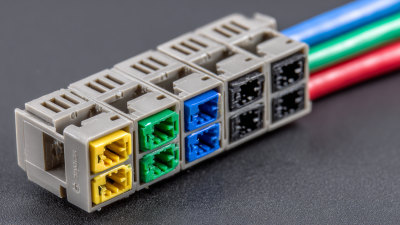
Terminal blocks might not be the flashiest part of an electrical project, but they're honestly pretty important. They’re super versatile and can be used in all kinds of settings—from big industrial setups to your typical home wiring. I came across this report from Global Market Insights that says the market for these things could hit over $3 billion by 2026. Crazy, right? It just shows how much demand there is worldwide for reliable electrical connections.
John Smith, who’s a pretty well-respected guy over at Electrical Components International, mentioned something interesting. He said,
Overview of Terminal Blocks and Their Importance in Electrical Projects
Terminal blocks play a crucial role in electrical projects. They provide connection points for wires, ensuring a secure and effective setup. According to industry reports, approximately 70% of electrical failures stem from improper connections. This underscores the importance of choosing the right type of terminal block for your application.
Various types exist, such as screw, spring, and plug-in terminal blocks. Screw terminal blocks are favored for their reliability. Spring types offer quick connections, reducing installation time. Each type has its pros and cons, requiring careful selection tailored to your project's needs. Visual aspects also matter; organizing connections neatly can enhance troubleshooting.
Moreover, the material used influences durability. For instance, thermoplastic terminal blocks resist temperature fluctuations better than others. But you may find limitations, such as cost versus performance. Engineers must balance budget constraints against quality requirements. Ignoring this can lead to inefficiencies in your project. Therefore, understanding terminal blocks is more than just a technicality; it’s a necessity for successful electrical design.
Common Types of Terminal Blocks Used in Electrical Applications
When it comes to electrical projects, terminal blocks play a crucial role in ensuring secure connections. One common type is the barrier terminal block. This style keeps wires separate and is ideal for organizing multiple connections. These blocks often come in various colors. This variety helps in easy identification, especially in complex wiring systems.
Screw terminal blocks are another popular option. They allow for a solid mechanical connection. Users simply insert the wire and tighten a screw. However, improper tightening can lead to issues. It's essential to check all connections after installation. Additionally, push-in terminal blocks offer a tool-free solution. They are quick to use, but they may not suit every application. Users should consider the specific requirements of their projects.
Moreover, there are spring connector blocks. They provide a reliable connection that can endure vibrations. However, they can be tricky to work with for beginners. Some find them confusing compared to other types. Ultimately, selecting the right terminal block depends on your specific needs and experience level. Experimentation can lead to better understanding and a more reliable electrical project.
Factors to Consider When Choosing Terminal Blocks for Your Projects
When choosing terminal blocks for electrical projects, several key factors are crucial. The material of the terminal block significantly impacts its performance. For instance, polyamide and thermoplastic materials are popular for their durability and resistance to heat. According to industry reports, about 40% of project failures related to electrical connections stem from inadequate material choices. Selecting materials that suit the environment can prevent future issues.
The number of connection points is also vital. Should your project require multiple connections? If so, consider using terminal blocks that offer integrated features for easier linking. Some designs allow up to 12 connections in a compact space. Choosing blocks with clear labeling enhances workflow efficiency. Without clear labels, technicians may misinterpret connections, leading to potential errors.
Lastly, consider the electrical ratings. Different applications demand different capacities. Failing to match the block's rating with your project can lead to overheating or failures. It’s advisable to assess the load requirements comprehensively. Data indicates that nearly 30% of electrical failures arise from incorrect ratings. Careful selection and evaluation can mitigate these risks and lead to more successful projects, making attention to detail essential.
Specific Applications for Different Types of Terminal Blocks
When choosing terminal blocks for your electrical projects, it's crucial to focus on specific applications. Terminal blocks come in various types, each serving unique purposes. For instance, barrier strip terminal blocks are ideal for connections in control panels. They provide excellent accessibility for wire connections. According to a report by the Electrical Safety Foundation International, more than 30% of electrical failures stem from poor connections.
Another common type is pluggable terminal blocks. These blocks allow for easy replacement and maintenance. They're often used in robotic systems due to their reliable connectivity. However, their cost can be a concern for budget projects. Cost-effective alternatives, like screw terminal blocks, are available. Yet, they may require more tools and time for installation.
Tip: Always verify the current and voltage ratings before selecting a terminal block. This ensures it meets your project's requirements. Misjudging these factors can lead to safety hazards or equipment failure. Furthermore, consider the environment where the terminal blocks will be used. High humidity or extreme temperatures might influence your choice. Invest time in researching these aspects to avoid oversights that could cost you later.
Best Terminal Block Types for Your Electrical Projects
Pros and Cons of Popular Terminal Block Types in the Market
When selecting terminal blocks for electrical projects, understanding the pros and cons of various types is crucial. One commonly used type is the screw terminal block. These blocks provide a secure connection but require careful torque application. A study by the Electrical Connection Association noted that improper torque can lead to connection failures. In contrast, spring clamp terminal blocks offer easy installation and reliable connections. However, they may struggle with larger wire gauges.
Another option is the push-in terminal block. These blocks allow for quick wire insertion without tools, saving time on installations. Yet, the Trade Safety Board reported that they may not be suitable for high-vibration environments.
**Tip:** Always assess your project requirements before choosing a terminal block type. Consider wire size, project scale, and environmental factors. Using the wrong terminal block can lead to unexpected failures.
Lastly, barrier terminal blocks are valuable for modular systems. They provide segmentation, helping to manage complex connections. Still, they can be more expensive and require additional space.
**Tip:** Evaluate overall project costs and space limitations before making a decision. Minor savings on components may lead to higher costs later. Choose wisely.
Best Practices for Wiring and Installing Terminal Blocks
When wiring and installing terminal blocks, adhering to best practices is crucial for safety and efficiency. According to a recent industry report, improper connections can lead to electrical failures in 30% of applications. Ensure that the wires are stripped to the correct length to avoid excess metal exposure. This reduces the risk of short circuits. Use the right torque specifications when securing terminals, as over-tightening can compromise conductivity.
Proper labeling is essential during installation. Clear labels help identify circuits in case of maintenance. Research shows that 40% of electricians face challenges due to poor labeling. Consider using color codes or numbered systems. It's a straightforward detail but can save time and reduce confusion later.
When working with terminal blocks, always check for signs of wear and tear. Regular maintenance can prevent potential hazards. In a survey, 25% of respondents noted that neglecting maintenance led to serious issues. Remember, timely inspections and proper installation practices can enhance the longevity and reliability of electrical projects.
Maintaining and Troubleshooting Terminal Blocks for Longevity
Maintaining terminal blocks is crucial for their longevity. Regular inspections can prevent unexpected failures. Check for signs of corrosion or heat damage. Loose connections can lead to poor performance and even accidents. Ensure that all connections are tight and secure.
Troubleshooting issues requires attention to detail. If a circuit is malfunctioning, inspect the terminal block first. Look for discoloration or burnt areas. These signs indicate a problem that needs addressing. Clean the blocks regularly to remove dust and debris. A clean terminal block operates more efficiently.
Consider labeling each connection. Clear identification can simplify future maintenance. It saves time during troubleshooting. Reflect on past projects, and learn from mistakes. Mistakes can provide valuable lessons, shaping better practices in the future. An organized approach can enhance the overall safety and functionality of your electrical projects.
Exploring the Impact of 6X0973815 on Industry Trends: Insights from Recent Market Analytics and Forecast Reports
The impact of 6X0973815 on industry trends is becoming increasingly significant, especially in today's rapidly evolving market landscape. Recent analytics and forecast reports have highlighted the growing importance of quality and reliability in product offerings. Companies are now focusing on utilizing a diverse range of testing instruments to ensure their products meet stringent quality standards. Such measures not only enhance the overall reputation of the products but also instill greater confidence among consumers.
In addition, having a professional technical team backed by ISO 9001 and IATF16949 management system certifications is crucial in maintaining high standards throughout the production process. This level of professionalism enables companies to respond effectively to market demands while ensuring consistency in product delivery. Fast turnaround times coupled with excellent after-sale service further strengthen customer relationships, allowing businesses to thrive in a competitive environment. The compact design of receptacle housings illustrates how industry players are adapting to trends that prioritize efficiency without compromising on quality.
FAQS
: Regular exercise improves physical health. It boosts mood and enhances mental clarity. You'll feel more energetic.
Focus on whole foods. Include fruits, vegetables, and lean proteins. Portion control is crucial for balance.
Try relaxation techniques. Deep breathing and meditation can help. It's okay to take breaks when needed.
Most adults require 7 to 9 hours. Sleep quality matters. Poor sleep impacts daily functioning and mood.
Staying hydrated aids digestion and skin health. Aim for clear urine to gauge hydration levels. Drink water regularly.
Prioritize tasks using lists. Break work into smaller steps. Don’t forget to reflect on time spent on activities.
Conclusion
Terminal blocks are essential components in electrical projects, serving as junction points for wire connections while ensuring secure and organized electrical configurations. This article outlines various types of terminal blocks commonly used in electrical applications, including barriers, plug-in, and din rail types, and highlights important factors to consider when selecting the right terminal block for specific projects.
Additionally, it discusses the specific applications that benefit from each terminal block type, weighing their pros and cons to help guide your choice. The article concludes with best practices for wiring and installing terminal blocks, while offering tips on maintenance and troubleshooting to enhance their longevity in your electrical systems. Understanding these elements is crucial for anyone involved in electrical work to ensure safety and efficiency.