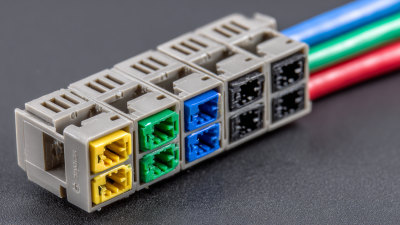
When it comes to electrical systems, picking the right cable terminal really matters for both performance and safety. There are so many types out there, each with their own pros and cons, so understanding those options is pretty key to getting things done right.
Choosing the right terminal isn't always straightforward, though. Companies like 3M and TE Connectivity have a ton of options, but you gotta match the terminal to whatever specific job you're doing. Common ones you'll run into are ring, spade, and butt connectors – each one is designed for a different purpose. Using the wrong type could lead to issues like poor performance or even safety risks.
And let’s be real—installing these connectors isn’t always a walk in the park. Misaligning them during setup can mess things up and make your connections weaker. That’s why it’s super important to keep checking your work regularly and make sure everything’s secure. Plus, in this field, learning from past mistakes goes a long way. Being aware of the common pitfalls can help you make better choices down the line and avoid headaches before they happen.
Choosing the right cable terminal type is crucial for any electrical system. A poor selection can lead to increased maintenance costs and potential failures. Data from industry reports indicate that nearly 30% of electrical failures are linked to improper terminal connections. This statistic highlights the importance of thorough decision-making when selecting cable terminals.
Different types of terminals serve various purposes. For instance, ring terminals provide secure connections but can be difficult to install in tight spaces. Fork terminals are easier to attach and detach but may not offer the same stability. Knowing the intended application is key. A misstep in this area can result in poor performance or even hazardous situations.
Also, installation practices matter. A significant percentage of professionals admit to underestimating the complexity of terminal connections. This could lead to incorrect terminations and increased resistance. Regular training and updated practices are essential to avoid these pitfalls. Investing in the right type now can save headaches in the future.
In 2026, understanding cable terminal types is vital for efficient connections. This overview covers the most common types you might encounter. Terminal blocks are frequent in control panels. They allow secure and organized connections. Each block can handle multiple wires, making them practical for various applications.
Tips: Always ensure correct wire gauge is used with each terminal. Miscalculations can lead to overheating. Sometimes, a terminal might not fit perfectly. In such cases, consider a different type for a better fit.
Crimp terminals are another common choice. They require special tools for a tight connection. These provide great reliability but can be tricky if not done correctly. Remember, a loose crimp can lead to failure in your system.
Tips: Practice crimping on scrap wire first. This will help you gain confidence before working on critical connections. If unsure, seek advice. It’s essential to consult experts to avoid mistakes.
This chart displays the popularity of various cable terminal types in 2026, showcasing the common types used in the industry and their respective popularity percentages.
When evaluating cable terminal performance, several key factors emerge. Material selection plays a crucial role. Copper and aluminum are commonly used, but they have differing conductivity levels. A report by the International Electrotechnical Commission highlights that copper offers 1.68 times better conductivity than aluminum. This directly impacts the efficiency of energy transfer.
Another vital factor is the terminal design. A well-engineered design ensures a secure connection and reduces resistance. The connection area needs to be large enough to avoid overheating. According to industry standards, a 10% increase in surface area can reduce temperature rise by 15%. This is significant for long-term reliability.
Environmental conditions also influence performance. High humidity can lead to corrosion, affecting the integrity of the terminals. Research from the IEEE indicates that corrosion can reduce terminal lifespan by up to 50%. Regular inspections are often overlooked. However, they are essential to identify early signs of degradation. Ignoring these factors can lead to costly failures and downtime.
When choosing cable terminals, the material matters greatly. Copper and aluminum are the two common options. Copper is known for its excellent conductivity. This makes it a preferred choice for high-performance applications. However, copper is heavier and more expensive. That can be a drawback for some users.
Aluminum, on the other hand, is lighter and cheaper. It may seem like a better option for large installations. Yet, aluminum has its issues. It can oxidize over time. This oxidation may lead to connectivity problems. Also, the thermal expansion of aluminum can be a concern. Tight connections are essential for optimal performance.
In many cases, the choice boils down to specific needs. Users should consider weight, cost, and conductivity. Each application can have different demands. Sometimes, what works in theory may not perform well in practice. Experimenting with both materials may reveal surprising results. Finding the perfect cable terminal requires careful analysis and reflection.
When evaluating cable terminal ratings, it's essential to consider their specifications closely. The electrical conductivity of materials used plays a significant role in terminal performance. For instance, copper terminals often provide superior conductivity compared to aluminum, leading to lower resistance and better efficiency. According to industry data, copper terminals demonstrate a 30% increase in current-carrying capacity over aluminum in comparable sizes.
The rated voltage and ampacity of cable terminals also matter. A terminal rated for 600 volts may not perform well under constant overload conditions. Many terminals are rated based on their ability to withstand specific environmental factors. A report by the International Electrotechnical Commission indicates that terminals used in harsh environments should have enhanced protection against moisture and corrosive substances. This highlights the need for detailed specifications when making choices.
One often overlooked aspect is temperature rating. Some terminals have a maximum operating temperature around 85°C. Exceeding this can lead to failure or reduced lifespan. While higher ratings exist, they may come at a premium. Reflecting on these various aspects allows for a better understanding of what is needed for specific applications.
When considering cable terminals, environmental impact is a crucial factor. Many terminals comprise materials that can harm ecosystems. Plastics, for example, are common. They take centuries to decompose. This raises significant questions about long-term sustainability.
Manufacturers often overlook recycling practices. This is troubling. Effective waste management should be a priority. Some cables can be designed with more sustainable materials. Advocates suggest using biodegradable options. However, the industry is slow to change.
Consumer awareness is growing. Many people want eco-friendly products. The demand for greener cable terminals is increasing. Educational efforts are essential. They help people understand the footprint of their choices. Understanding this can lead to better decisions in the future.
The landscape of cable terminal technology is evolving rapidly. Recent industry reports indicate that the global market for cable terminals is expected to grow at a CAGR of 5.3% from 2023 to 2028. This growth is driven by increasing demand in sectors like renewable energy and telecommunications.
Innovations are reshaping how cable terminals are designed and utilized. For example, advancements in materials have led to lighter, more durable components. This reduction in weight impacts installation ease and long-term performance. However, the industry often overlooks the environmental impact of these materials. Recycling processes for old terminals are not well-established. This presents a challenge for sustainability.
Moreover, smart technologies are beginning to enter the cable terminal space. The integration of IoT devices allows real-time monitoring. This promises improved reliability but raises security concerns. Many terminals are not prepared for potential cyber threats. As the industry pushes forward, these areas need careful attention. Balancing innovation with responsibility is crucial for future growth.
| Cable Terminal Type | Material | Temperature Range (°C) | Current Rating (A) | Applications |
|---|---|---|---|---|
| Insulated Terminal | Copper | -20 to 75 | 30 | Automotive, Industrial |
| Ring Terminal | Brass | -20 to 100 | 50 | Electrical Systems |
| Fork Terminal | Aluminum | -30 to 85 | 40 | Home Appliances |
| Butt Connector | Copper | -20 to 85 | 20 | Electrical Repairs |
| Screw Terminal | Stainless Steel | -40 to 150 | 60 | Marine, Heavy Equipment |
The SCHUTZKAPPE F4+7P cable accessory stands out as a prime solution for enhancing connectivity in various industrial applications. With its advanced design, this round DIN flip connector tail cover not only ensures secure connections but also provides protection against environmental factors that can compromise performance. Its versatility makes it ideal for use in sectors that demand reliable electronic communication, such as automation, automotive, and telecommunications.
Our commitment to quality is reflected in the rigorous testing processes employed throughout the manufacturing of the SCHUTZKAPPE F4+7P. By leveraging a wide range of testing instruments, we ensure that every product meets the highest standards. Additionally, our professional technical team operates under ISO 9001 and IATF16949 management system certifications, guaranteeing that customers receive top-tier products designed for durability and efficiency. Along with prompt delivery services, we prioritize strong after-sale support, making the SCHUTZKAPPE F4+7P not just a purchase, but a strategic investment in connectivity excellence.
: Regular exercise boosts physical health. It enhances mood and mental clarity. It can also improve sleep quality.
Aim for at least 150 minutes of moderate activity weekly. This can include walking, cycling, or swimming.
Short bursts of activity are effective. Even a 10-minute walk can benefit your health.
Yes, exercise releases endorphins. It can reduce anxiety and help you feel more relaxed.
Start with low-impact activities. Walking or gentle yoga can be great options for beginners.
Sometimes, exercise can boost energy. However, it’s important to listen to your body and rest when needed.
Set small, achievable goals. Tracking your progress can help maintain motivation and celebrate milestones.
Skipping warm-ups or doing too much too soon are common errors. Take it slow and focus on form.
Opt for light snacks with carbs and protein. Bananas or yogurt can provide the needed energy.
Results vary for everyone. Consistency is key. You might notice changes within a few weeks.
Selecting the right cable terminal is crucial for ensuring optimal performance and reliability in various applications. In 2026, there are several common types of cable terminals, each with unique characteristics that influence their effectiveness. Key factors impacting cable terminal performance include material choices, such as copper versus aluminum, which greatly affect conductivity and durability. Understanding the ratings and specifications of cable terminals is essential for making informed decisions, while also considering environmental factors that may influence their suitability.
Additionally, the future of cable terminal technology promises innovations aimed at improving efficiency and sustainability. As advancements continue to emerge, it is important for users to stay informed about the evolving landscape of cable terminals, ensuring that they choose products that meet both current and future needs. In summary, a thorough understanding of cable terminal types, materials, and ongoing innovations is essential for making the best choice in today's market.